

Intelligence and Collaboration: Key to Defeating Insurgency in Nigeria – General Buratai
By Bashir Yahuza Malumfashi


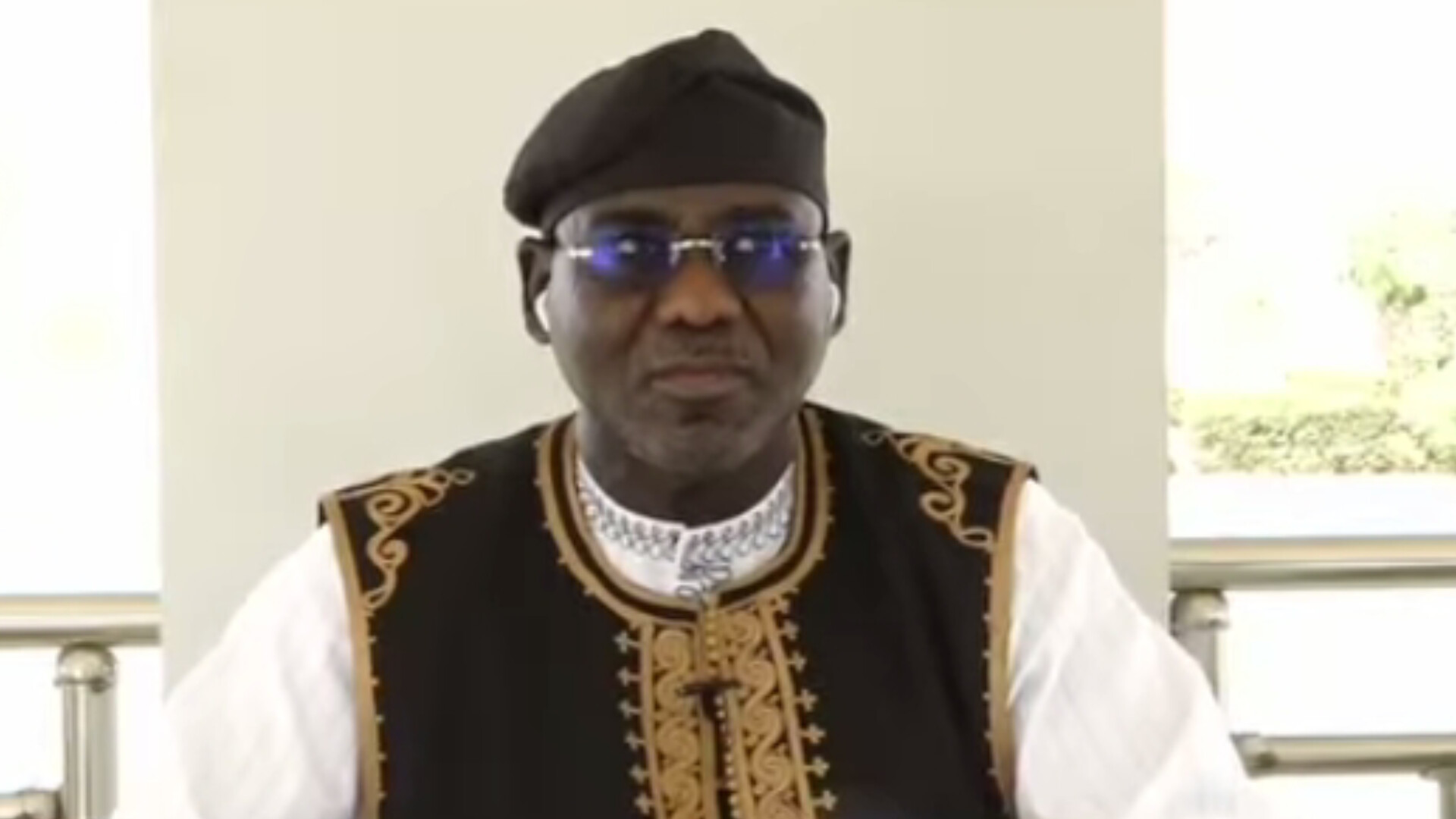
Former Chief of Army Staff, Lt. Gen. Tukur Yusuf Buratai (Rtd.), has emphasized that intelligence gathering and inter-agency collaboration are crucial to eradicating insurgency in Nigeria. Speaking in an exclusive interview with ARISE NEWS on Tuesday, Buratai highlighted the military’s past successes in counterinsurgency efforts while stressing the need for continuous intelligence operations.
Reflecting on the security challenges Nigeria has faced since 2009, Buratai acknowledged the complex nature of the insurgency and the necessity of a comprehensive approach. He asserted that counterterrorism efforts should not be limited to military operations but must involve all sectors of government and security agencies.
√ Intelligence is Key:
According to Buratai, one of the military’s major breakthroughs during his tenure was tracking insurgents, their supply chains, and financial backers. He explained that intelligence played a pivotal role in disrupting logistics networks that provided Boko Haram and other terrorist groups with food, fuel, and weapons.
“We had not relented, especially in seeing that we followed those insurgents and their supporters—logistics suppliers, arms couriers, those that provide them with food, water, petroleum, oil, and lubricants,” he stated. “If we look at it from that perspective, intelligence is key. Understanding the terrain is also fundamental.”

Buratai also pointed out that Nigeria’s vast, uninhabited forests provide safe havens for insurgents and criminal elements. He argued that continuous surveillance and intelligence coordination among security agencies, including the police and the Department of State Services (DSS), are essential for combating threats effectively.
√ Collaboration at All Levels:
While acknowledging that strategic-level coordination among service chiefs was strong during his time in office, Buratai stressed the need for improved synergy at the operational and tactical levels. He urged security personnel on the ground to receive up-to-date intelligence to preempt attacks and dismantle terrorist enclaves.
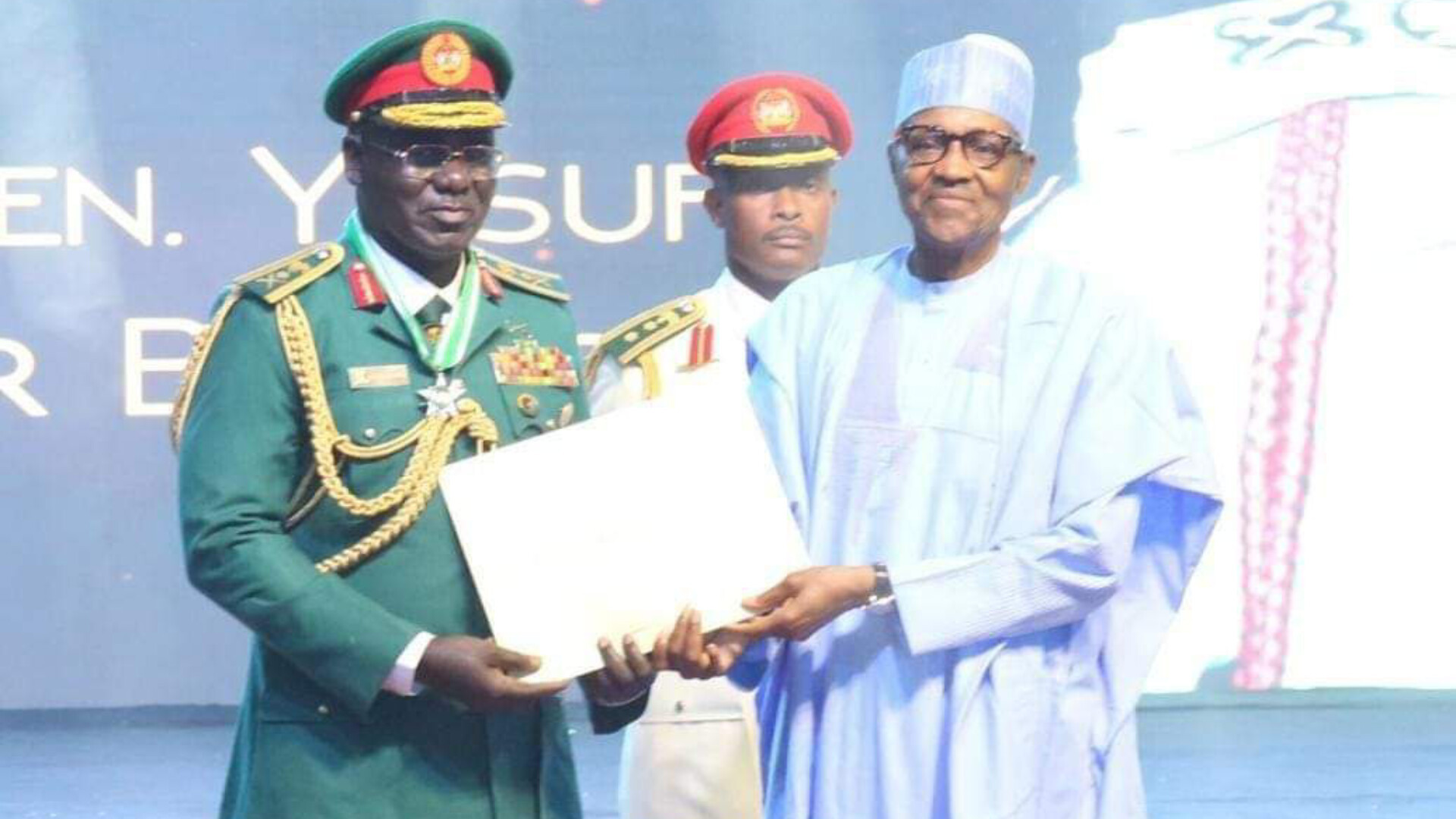
“There was very good synergy at the strategic level, but much more needs to be done at the tactical and operational levels. Those on the ground need to have day-to-day intelligence on the enclaves of the bandits, the terrorists, and other criminal elements,” he said.
√ General Buratai Defends His Tenure:
Buratai, who served as Chief of Army Staff from 2015 to 2021, defended his legacy against criticisms that insurgency worsened under his leadership. He maintained that the Nigerian military successfully reclaimed territories previously controlled by Boko Haram.
“Before 2015, Boko Haram had already carved out their territories, blocking access to parts of Adamawa, Borno, and Yobe states. They had defined their control over roughly 120,000 square kilometers of land,” he explained. “We have reclaimed all those areas, as well as local governments previously under Boko Haram control.”
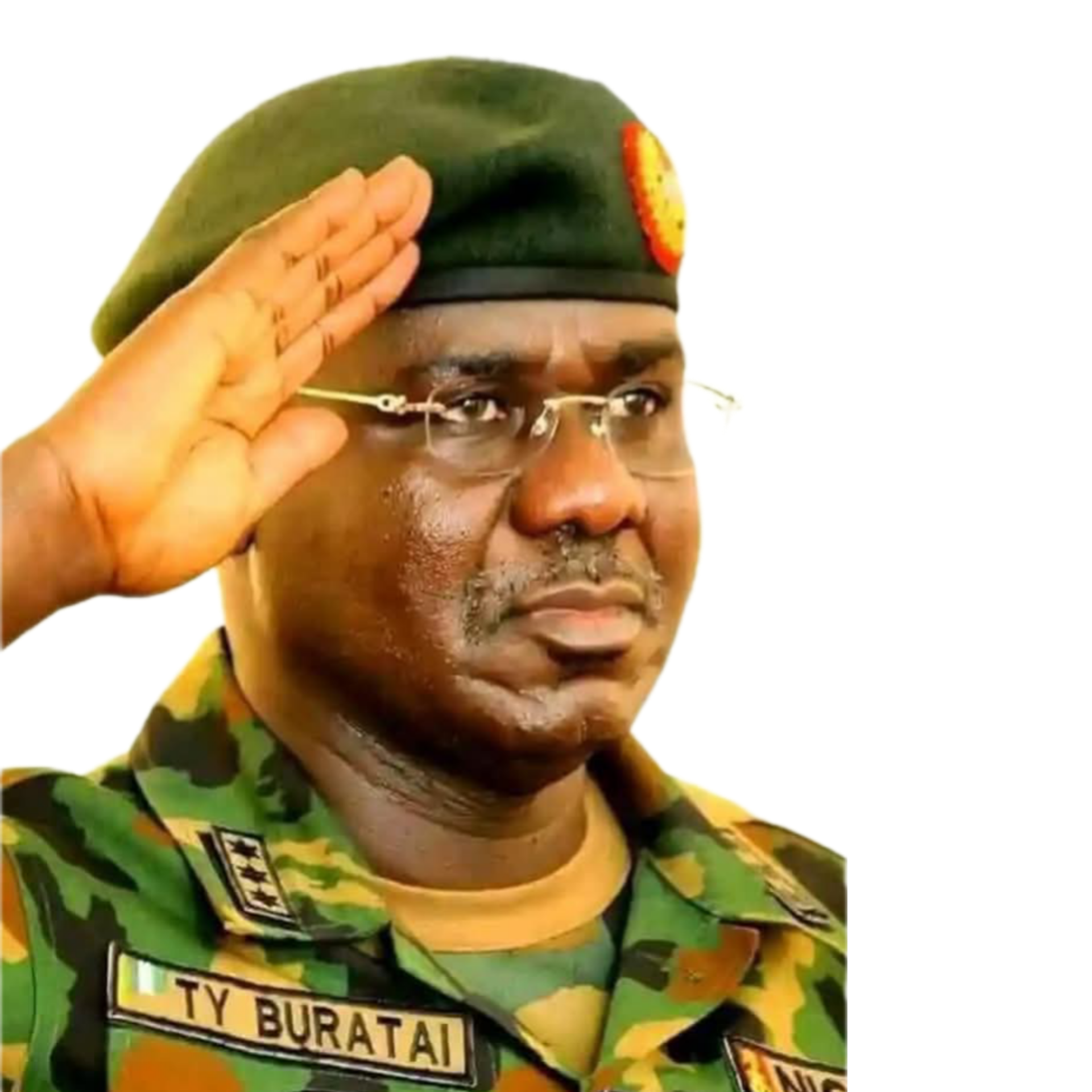
Additionally, Buratai highlighted the modernization of the Nigerian Army during his tenure, stating that he left behind well-trained, professional officers capable of continuing the fight against insurgency. He expressed confidence in the capabilities of his successors and the ongoing counterinsurgency operations.
Despite acknowledging that challenges remain, Buratai reiterated that intelligence and collaboration among security agencies would be the ultimate game-changer in defeating terrorism in Nigeria. “With the complete support and involvement of all stakeholders—government at all levels and all security agencies—we can achieve even greater success,” he concluded.
√ Looking Ahead:
As Nigeria continues to battle insurgency, Buratai’s insights underscore the importance of intelligence-driven operations and cooperation among security forces. His comments serve as a call to action for policymakers and security agencies to strengthen intelligence-sharing mechanisms and adopt a whole-of-government approach to national security.
– End –