

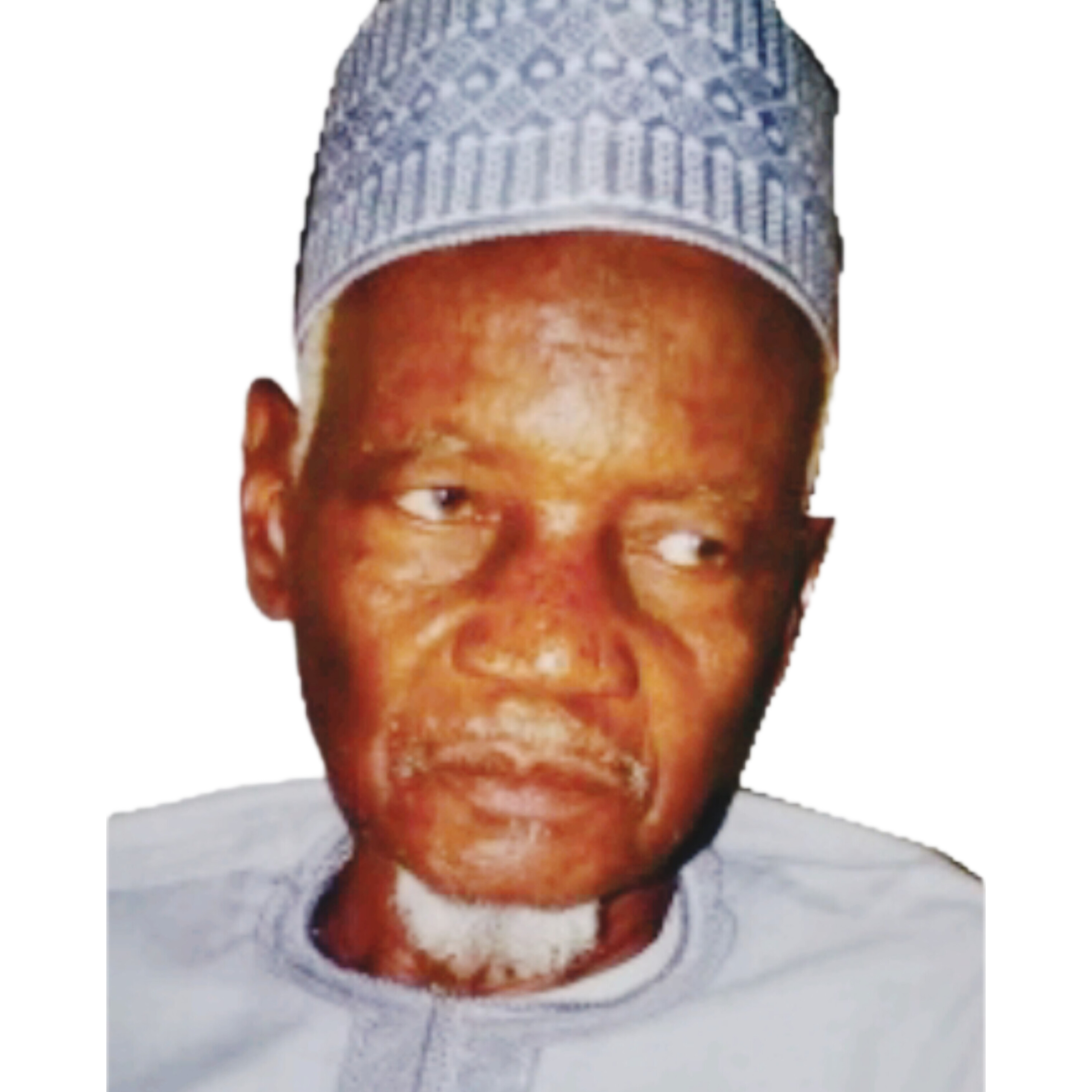
Professor Bello Sa’idu: The Demise of Literary Icon
By Dr. Bukar Usman

__________
Inna lillahi wa inna ilayhi raji’un! (From God we come and to Him we all return).
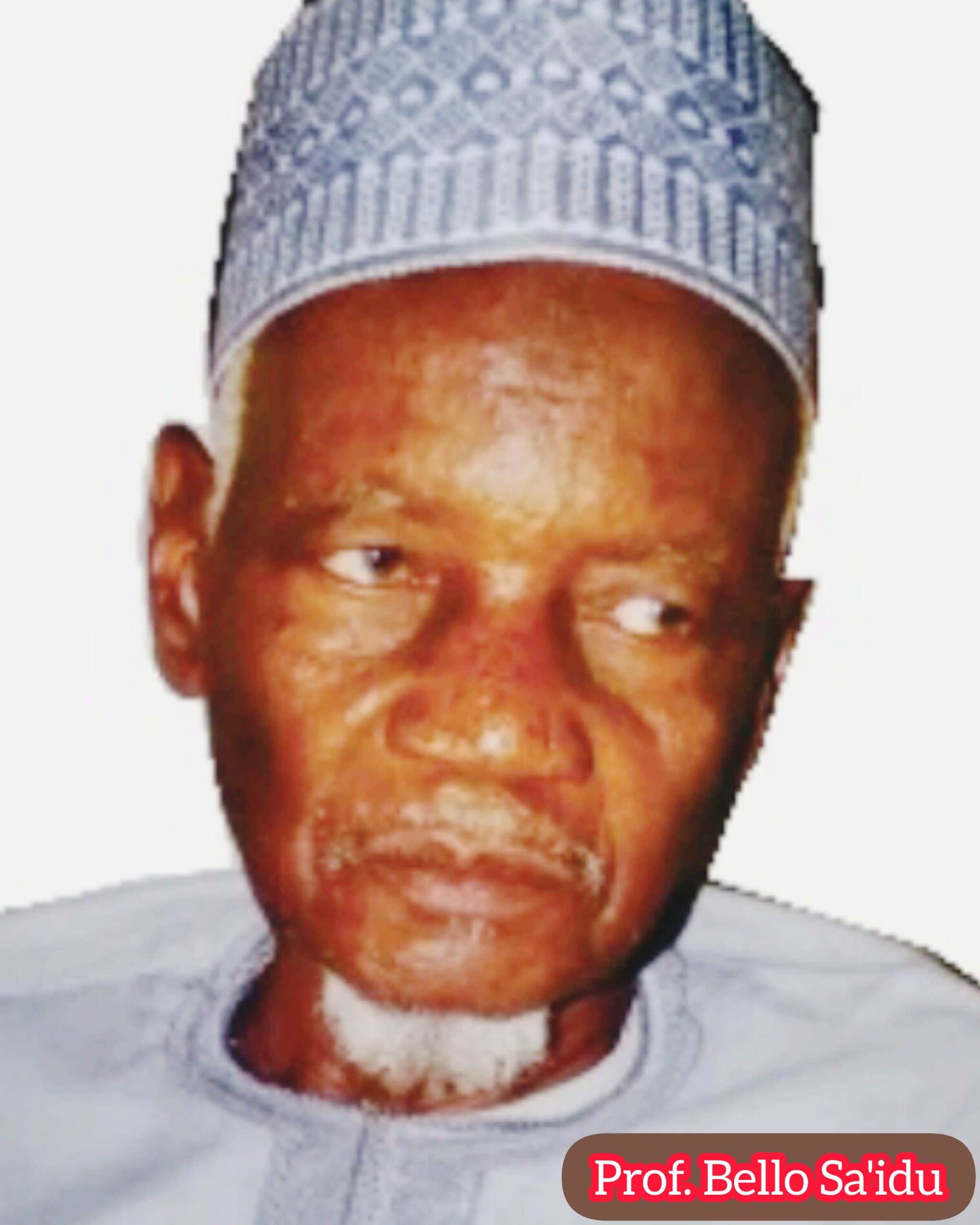
God has taken the life of the former lecturer at Bayero University, Kano, Professor Bello Sa’idu, in Kano on 17 August 2026. Life has run its course.
At first, I wanted to write this tribute in English because, apart from my native Babur/Bura language, I write in two languages, Hausa and English, although I am more comfortable expressing myself in English.
Nevertheless, I felt that I should write this tribute in Hausa, because it was the Hausa language that brought about the relationship and interaction I had with him for more than twenty years.
The relationship and respectful interaction between Professor Sa’idu and me began when I started writing collections of folktales in the Hausa language. I sought the assistance of people who were experts in the language. Salisu Saleh Na’inna Dambatta, a former Federal Government Information officer, introduced me to Emeritus Professor Dandatti Abdulƙadir, a former Vice-Chancellor of Bayero University, Kano, so that he could review the books and make the necessary corrections.
After Professor Dandatti and I met in Abuja, he introduced me to some academic staff of the Centre for the Study of Nigerian Languages at the University. One of them was Professor Bello Sa’idu. From then on, we worked together, until he eventually edited fourteen of my books in Hausa at the final stage of their completion. He brought out the lessons conveyed by each folktale and constructed the sentences in the books according to the structure and rules of Hausa writing.

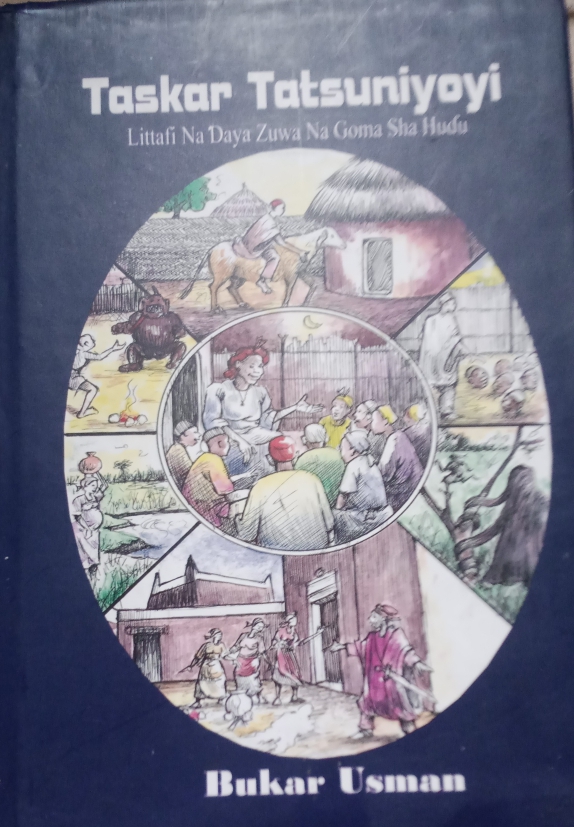
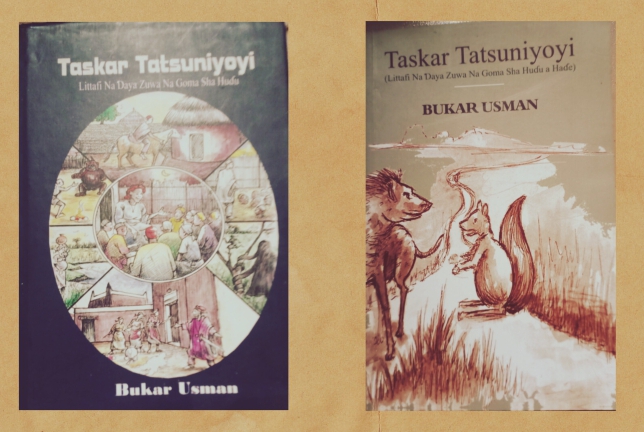
When I decided to compile the 14 books into a single volume, it was Professor Sa’idu who coined the title of the collection, “Taskar Tatsuniyoyi” (Treasury of Folktales), which we published in 2010.
The title he gave the book, “Taskar Tatsuniyoyi,” stood the test of time because it was appropriate, and it earned me considerable affection and praise both within and outside Nigeria. As a result of the work, he did in editing and preserving folktales in the Hausa language, Professor Sa’idu and I developed a close bond of friendship and mutual affection that lasted until the end of his life.
Whenever I attended the meetings of the Nigerian Folklore Society in Kano, we would meet. As I live in Abuja and he lives in Kano, we would occasionally greet one another over the telephone, in order to renew the bond of kinship and friendship that God had fostered between us.
About five days to his demise, he telephoned me and we exchanged greetings peacefully and calmly. He then said that he was seeking my forgiveness because, despite the strong bond of affection and respect that had existed between us for many years, he had not told me about his illness and the prolonged treatment he had been undergoing. He explained the cause of his illness and the efforts he was making to seek recovery.
Then, on the morning of 17 August 2026, I saw a call from his telephone number. I was unable to answer it at the time, so I called back later, but there was no response. Then, later in the evening, I received another call from his number. When I answered, I heard one of his children, Malam Salim, speaking.
Alas! It was then that Malam Salim informed me of his father’s demise. At that time, they were preparing to conduct his funeral prayers and internment. I immediately conveyed my condolences to Malam Salim and the bereaved family.
I will never forget the immense contribution Professor Sa’idu made, tirelessly and without complaint. He devoted his time to carefully reviewing, refining and editing my fourteen books in the Hausa language, as well as organising “Taskar Tatsuniyoyi.”
Another remarkable contribution of his that deserves to be remembered was the blessing he bestowed on “Taskar Tatsuniyoyi.” On 25 October 2010, he wrote: “The main purpose of telling folktales in Hausa culture is to teach a child good characters, so that the child may practice them and to teach the child bad characters, so as to avoid them. This will enable the child to have guidance and achieve success in life.”
He further stated: “Indeed, folktales have been told to children from time immemorial, because they are their first school once they begin to speak. It is usually grandmothers who serve as teachers in this school; they gather the children together at night after they have eaten and tell them folktales.”
Professor Sa’idu, who passed away at the age of 86, is survived by seven children and his wife. He was well-known for his commitment to his religion and his devotion to worship.
To the public, Professor Sa’idu was a distinguished scholar of Hausa language and literature, an author, a teacher and a respected Imam.
He devoted his long life to pursuing and sharing knowledge. He was among the pioneering indigenous scholars who helped to develop the Centre for the Study of Nigerian Languages at Bayero University, Kano. Through decades of teaching and research, he made enduring contributions to Hausa language, literature, poetry, translation, and literary criticism.
His published works reflect the remarkable breadth of his scholarship. They include:
* Ka’idojin Rubutun Hausa (Principles of Hausa Orthography)
* Daidaita Hanyar Rubutun Ajamin Hausa da Inganta Shi (Standardizing and Improving the Hausa Ajami Writing System)
* Tarbiyya a Musulunci (Training and Discipline of Children in Islam)
* Dausayin Soyayya (The Sweetness of Love)
* الموجز في أصول الفقه (Al-Mujaz fi Uṣulul Fiqh – The Concise Treatise on the Principles of Islamic Jurisprudence)
His work, Dausayin Soyayya, remains an important contribution to the study and preservation of Hausa poetry. Collectively, his books enriched Hausa and Islamic scholarship and continue to benefit students, teachers, researchers and writers.
At the time of his passing, another important manuscript, Gudunmawar Masu Jihadi Kan Adabin Hausa, (Contributions of Islamic Jihadists on Hausa Literature) was being prepared for publication. The manuscript was originally his Master’s thesis that examines the contributions of the leaders and scholars of the Sokoto Jihad to Hausa literature. Sadly, he departed before seeing it in print.
His scholarship also extended to the service of the Glorious Qur’an. He participated in the production of two Qur’anic commentaries in Hausa.
For more than two decades, he served as Imam of the Bayero University Mosque. May Almighty God have mercy upon him and make Paradise his final abode.
NB: This article was originally written in Hausa.
__________
Dr. Bukar Usman, OON
Former Permanent Secretary in the Presidency
and former President of the Nigerian Folklore Society
21 August 2026