

CREATION OF NEW STATES IN NIGERIA: Between Political Deception and National Development
By Bashir Yahuza Malumfashi
Related posts



•••••••
One of the major issues currently dominating discussions around constitutional amendments in Nigeria is the matter of creating new states. This topic continues to capture the attention of citizens, especially considering how some regions often complain of being marginalized or dominated by others.
As things stand, various regions are actively pushing for the creation of additional states, and the government continues to receive petitions from these areas, in line with legal procedures outlined in the Constitution. But what exactly does the law say about this? Can a civilian government create new states within a short period of less than two years? Or is President Bola Ahmed Tinubu’s administration merely using this issue to boost its popularity and political appeal ahead of the 2027 elections? These are the questions this article seeks to explore.
What are the steps for creating a new state in Nigeria? Section 8 (1) of the 1999 Constitution (as amended) states that more than half of the representatives (both at the federal and state levels) from the region affected must submit a written request for the creation of a new state. Additionally, approval must be obtained from two-thirds (2/3) of the members of the National Assembly and from at least 24 out of the 36 state houses of assembly. After this, a referendum must be conducted in the affected area, supervised by the Independent National Electoral Commission (INEC).
The big question is: can all these legal requirements and procedures be fulfilled within the next two years? Especially as the country is already approaching the 2027 election campaign season.
Historically, all states in Nigeria were created under military regimes—none were established by civilian governments. For instance, in 1967, General Yakubu Gowon initiated the move from regional governments to states, and the number of states increased multiple times under military rule—from 12 to 19, then to 21, 30, and finally 36.
This is largely due to the rigid constitutional requirements that make it extremely difficult under a democratic system to create new states, particularly in terms of time constraints and securing widespread legislative approval.
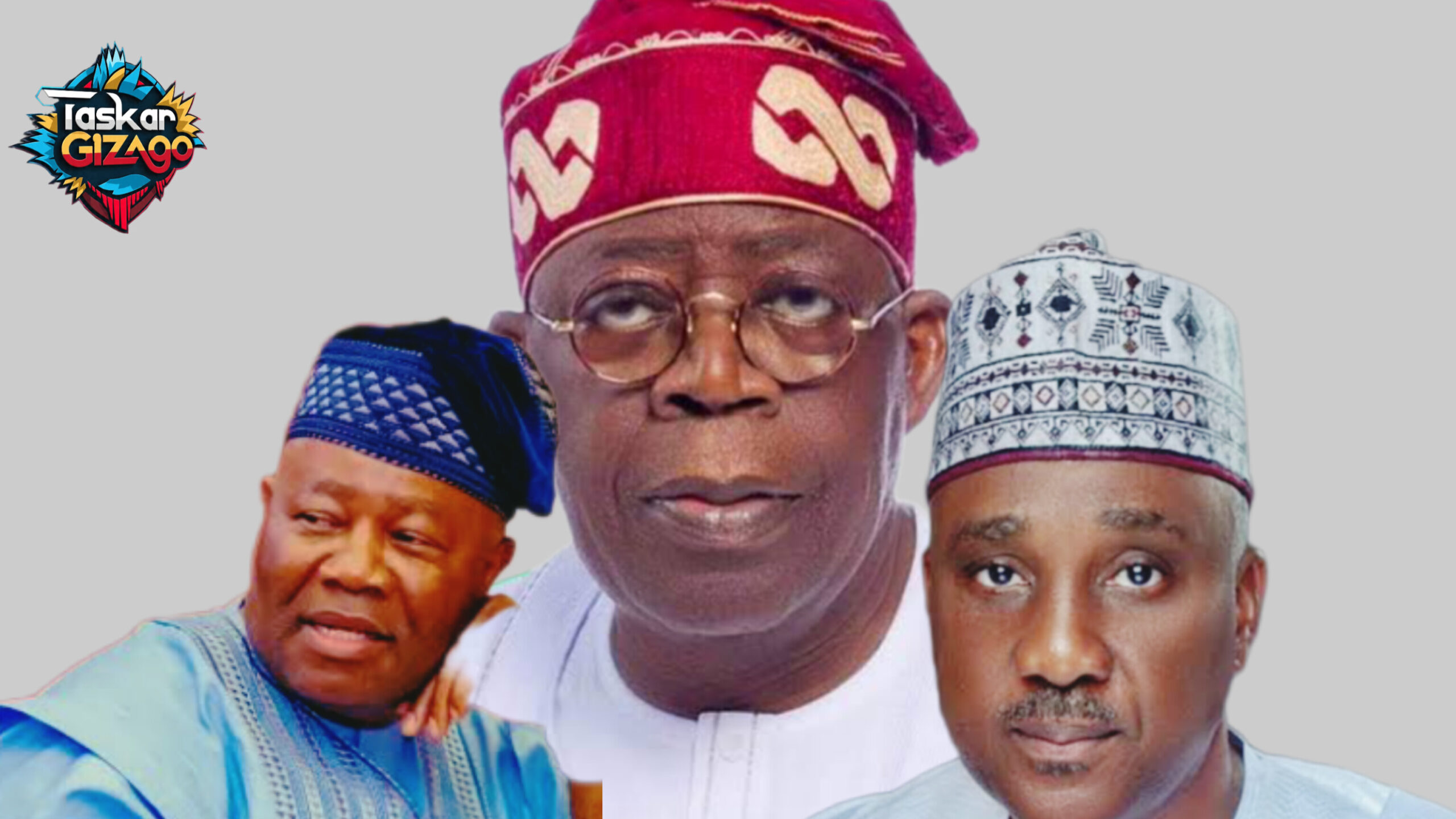
Can the Tinubu administration create new states under the current national conditions? Considering Nigeria’s legal framework and the complexity of civilian governance, creating states is not a simple task. It requires broad political consensus and support across almost all tiers of government and society. However, if the Tinubu government is truly serious, it could attempt to leverage its party’s majority in the legislature (APC) to pursue the creation of new states—especially if the plan is well-structured and genuinely intended.
That said, some political analysts and citizens see the push for state creation as a political strategy by the Tinubu administration to gain popularity, particularly from regions that feel neglected. If, for instance, states were proposed from the Southeast or the North Central, it could soften opposition sentiments and win over critics. This move could be interpreted as an indirect campaign strategy for securing votes in 2027.
There are, however, several major challenges that may hinder this process.
One is ethnic and regional tensions—many communities see the creation of a new state as a means to gain power or a bigger share of national resources, while others feel it might reduce their dominance. This could spark political conflicts and mistrust.
Another challenge is the cost and logistics of establishing new administrative structures, including government buildings, staff recruitment, and funding the new bureaucracy. In a time when Nigerians are grappling with economic hardship and dwindling public revenues, many view the creation of states as a misplaced priority, arguing that government should instead focus on critical sectors like education, healthcare, and job creation.
There is also resistance from some legislators and state governors. Creating new states requires widespread political support, but despite public support from some lawmakers, many view it as a threat to their political relevance or influence. Many governors also oppose the idea, as it could diminish their control or reduce their federal revenue allocations.
Furthermore, public opinion remains divided. Many pro-democracy activists and civil society groups advocate for constitutional restructuring, particularly around resource control and devolution of power, rather than increasing the number of states.
Yet, there are people in certain areas—like those advocating for Katagum State (from Bauchi), Karadua (from Katsina), Gurara (from Niger), Savannah (from Borno) and several others—who see this as a golden opportunity for recognition and development.
In conclusion, while the creation of new states could serve as a path to equity and representation, it could also be a political ploy to manipulate public sentiment. If the Tinubu administration is truly committed, it must follow the legal and constitutional process diligently and demonstrate genuine commitment to national development—not just a desire for popularity.
The question remains: Will this move succeed before the next elections, or not?
_______________
Bashir Malumfashi is the Editor of the online magazine, Taskar Gizago.