

Confiscation of Malami’s Assets: Injustice or a Fight Against Corruption?
By Bashir Yahuza Malumfashi
Related posts


__________
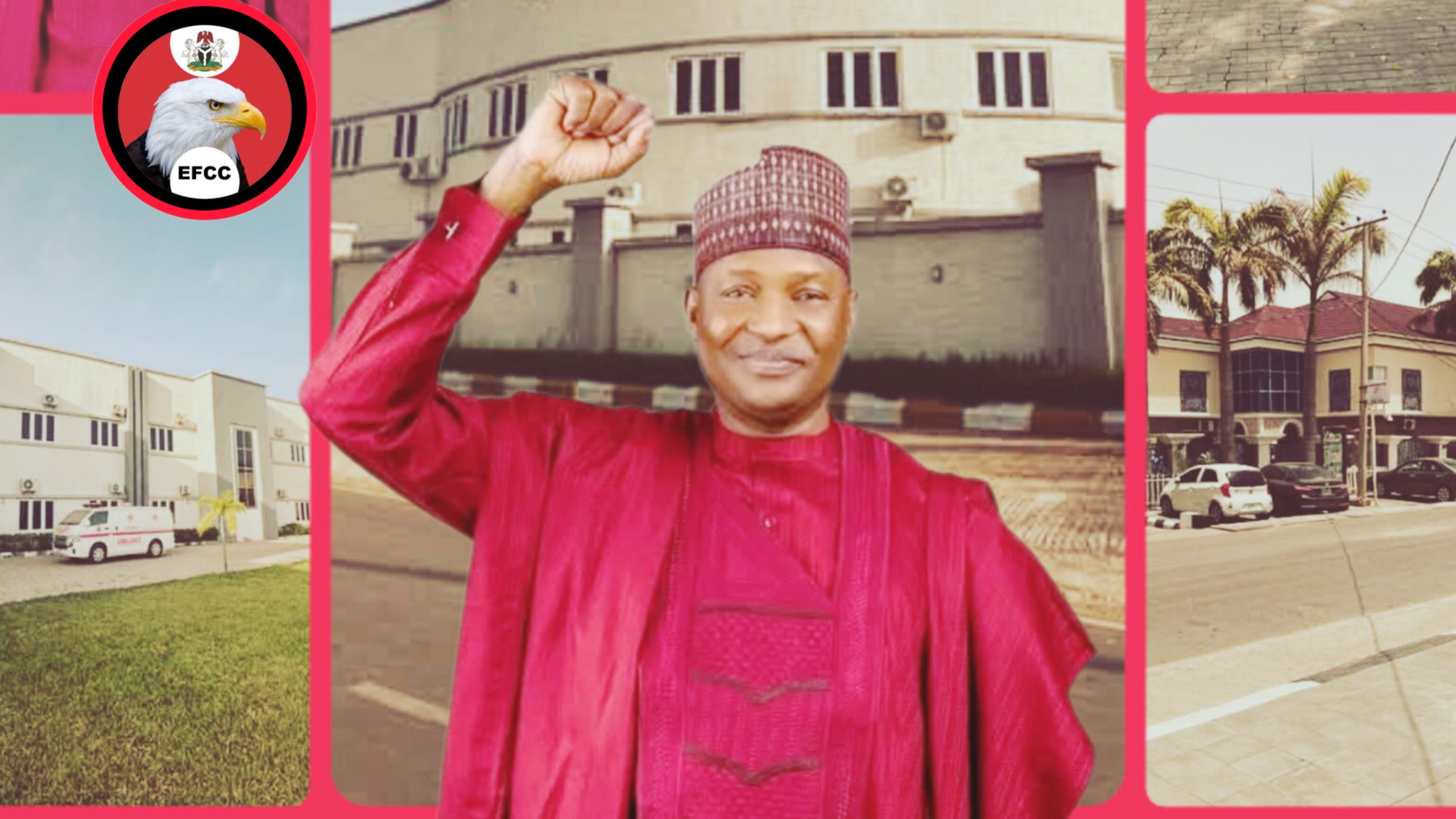
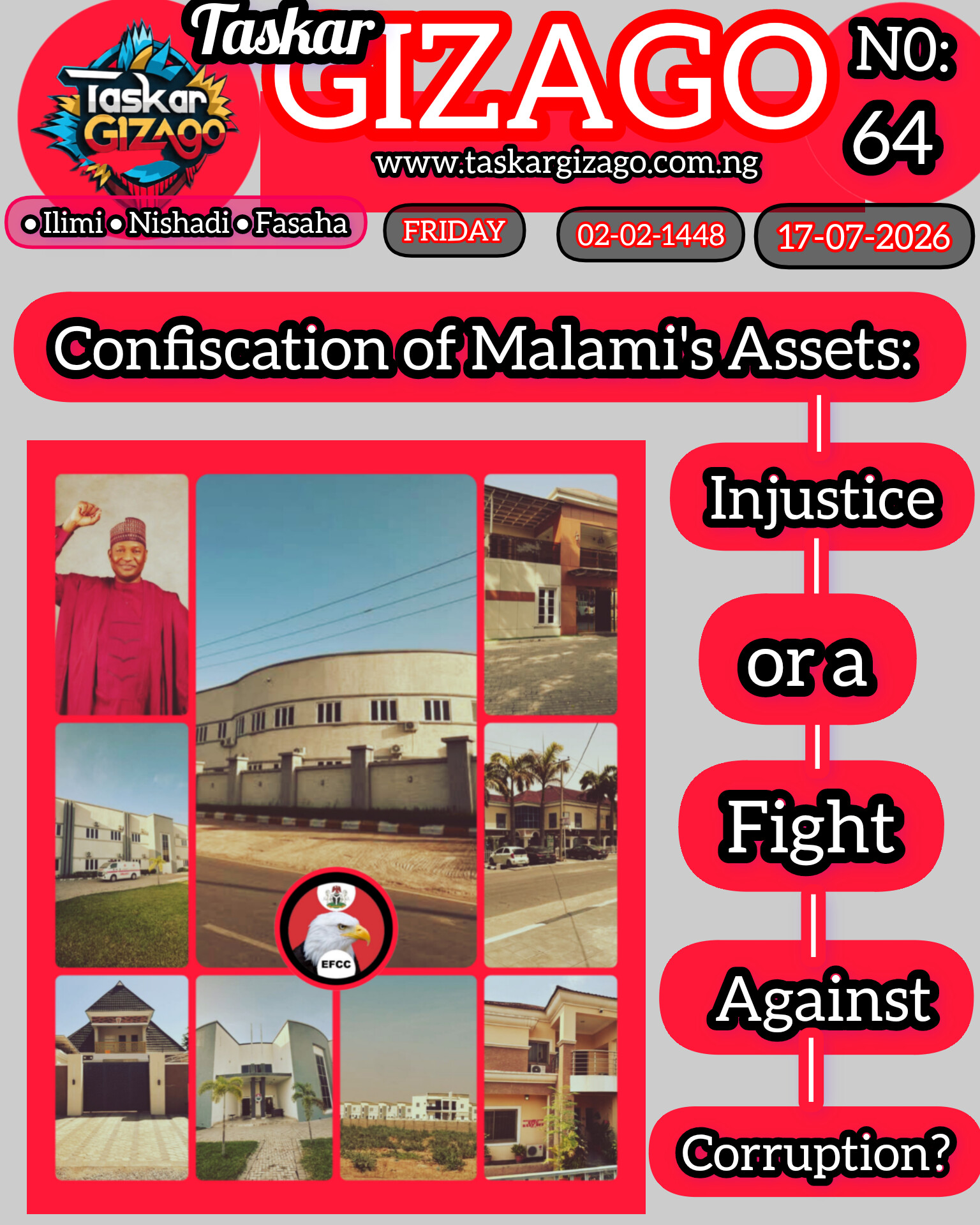
The court’s decision to confiscate multi-billion-naira mansions and other assets belonging to former Attorney General of the Federation and Minister of Justice, Abubakar Malami, SAN, has sent shockwaves through Nigeria’s political landscape.
Reports confirmed that the Federal High Court in Abuja, presided over by Justice Joyce Abdulmalik, delivered a judgment granting the Economic and Financial Crimes Commission (EFCC) the authority to permanently forfeit 48 out of 57 properties linked to the former minister.
This is no ordinary case, as it involves a man who once served as the nation’s chief legal officer and the custodian of the rule of law under the Federal Government.
The fact that the judgment came after a legal battle between Malami and the EFCC, with the court ultimately finding him liable, gives the case a new significance in the history of Nigeria’s anti-corruption campaign.
What this ruling demonstrates is that, when there is genuine political will and commitment, the law can reach anyone, regardless of their status or the high office they once occupied.
For many years, Nigerians have complained that influential figures often escape justice, while only ordinary citizens bear the full weight of the law.
If judgments of this nature continue to be based on credible evidence and due process, they could help restore public confidence that no one is above the law.
However, this achievement will receive greater public commendation only if anti-corruption agencies prove that they do not operate with double standards. Every individual against whom there is credible evidence of wrongdoing should be investigated and prosecuted, regardless of political affiliation, ethnic background, or closeness to those in power.
For instance, Malami is not the only high-profile individual accused by the EFCC of looting public funds. There are several former governors, former ministers, and other senior government officials facing similar allegations. One example is former Kogi State Governor Yahaya Bello, among others. Justice demands that everyone found guilty of corruption should be held accountable. Selectively prosecuting some individuals while allowing others with political influence or powerful connections to go free does not strengthen a nation. Equal application of the law is what reinforces democracy and the rule of law.
What should happen is for this court judgment to serve as a warning to all public office holders. Anyone who uses public office to accumulate wealth unlawfully should understand that the law may eventually catch up with them. This should serve as a lesson to both present and future leaders that political power is temporary, but one’s actions can continue to have consequences long after leaving office.
And, if we are to be honest with ourselves, at what point does it become reasonable for one individual to amass public wealth that neither they nor their descendants could ever exhaust? A single person builds countless extravagant mansions, yet can sleep in only one room at a time.
What has happened in the case of Abubakar Malami should mark the beginning of a new chapter, not the end of the story. Nigerians do not want a selective or discriminatory anti-corruption campaign. What they seek is a system that holds every offender accountable without fear or favour. If this is the direction the country is prepared to take, then it can truly be said that the foundation is being laid for a Nigeria built on honesty, accountability, and the genuine rule of law.
_____
Dear readers, what is your view on this matter? Share your opinion in the comment section.
__________