


Book Launch Seeks to Rewrite Lassa’s Story, Preserve Cultural Heritage
By Olanipekun Ruth Omowumi
Related posts


_________
Scholars, traditional leaders, government officials, legal practitioners, religious leaders and cultural enthusiasts gathered at the Maryam Babangida National Centre for Women Development in Abuja on Saturday, June 27, 2026 for the official launch of A History of Lassa, a new book by Abdulkadir Gambo Gadzama that aims to preserve the history of the ancient Lassa community and correct long-standing misconceptions surrounding its name.
The event, which commenced at 10:00 a.m., attracted prominent personalities from different sectors and underscored the growing importance of documenting Nigeria’s diverse histories through literature.
The gathering also served as a fundraising platform to support the publication and wider distribution of the book, while promoting awareness of the cultural heritage and historical significance of the Lassa community.
Proceedings opened with Christian and Muslim prayers, reflecting the country’s religious diversity and spirit of unity. In his welcome address, the Chairman of the occasion, Chief Joe-Kyari Gadzama, OFR, SAN, stressed the importance of preserving history for future generations through quality documentation and scholarly publications.
Speaking on the inspiration behind the publication, the author, Abdulkadir Gambo Gadzama, explained that the book was written to safeguard the identity, traditions and historical legacy of the Lassa people. He emphasized that many people mistakenly associate the name “Lassa” solely with Lassa fever, whereas Lassa is an ancient Margi community after which the disease was named following its first identification there.
One of the major highlights of the ceremony was the presentation of the official book review by renowned scholar, Dr. Bukar Usman, titled Lassa: A Different History.
In his detailed appraisal, Dr. Usman described the publication as an important historical contribution that offers readers an authentic account of the origins, culture and identity of the Lassa people.
He commended the depth of research undertaken by the author and noted that the work would help correct widespread misconceptions while enriching Nigeria’s historical literature.
The Lead Launcher also delivered a goodwill message, congratulating the author and urging researchers, historians and writers to continue documenting the nation’s rich historical and cultural heritage for the benefit of future generations.
Adding colour and cultural significance to the occasion, the Margi Traditional Dancers from Borno State entertained guests with vibrant performances that showcased the customs and artistic heritage of the Margi people, earning enthusiastic applause from the audience.
The programme also featured the dedication of the book by Rev. Yakubu Musa before the formal launch commenced.
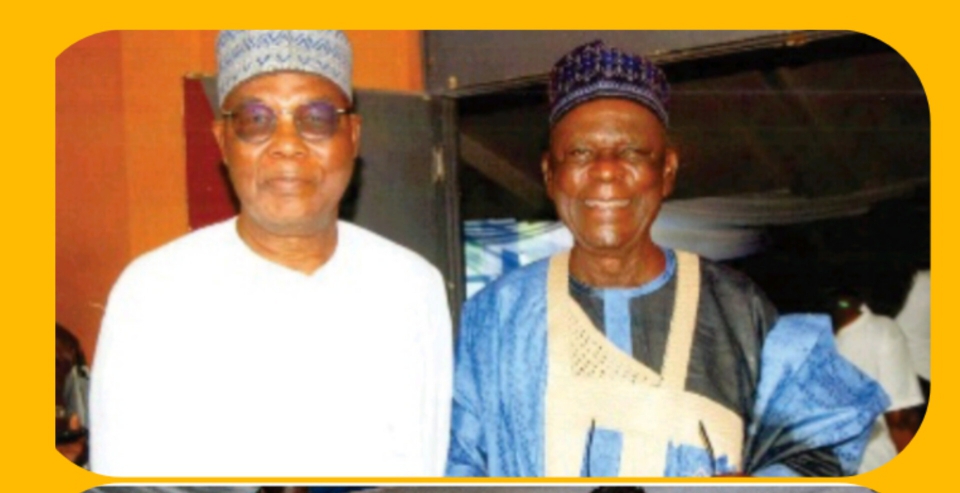
During the fundraising session, the Lead Launcher, Chairman Chief Joe-Kyari Gadzama, Father of the Day Major General Paul C. Tarfa (CON), Mother of the Day Mrs. Parmata Ishaya (Nee Abasu Dunya), Chairlady Mrs. Asta Paul Thahal, co-launchers, supporters and numerous invited guests made generous financial donations to support the publication and distribution of the book.
Another notable moment came when Dr. Bukar Usman distributed complimentary copies of his publication, A Review of A History of Lassa, to guests and interested participants. The review provides a comprehensive analysis of the book’s major themes and historical importance, offering readers deeper insight into the significance of the work.
Delivering the vote of thanks, the Chairman of the Planning Committee, CP Samson V. Wudah (Rtd), expressed appreciation to the author, dignitaries, donors, members of the organizing committee and all participants whose contributions ensured the success of the event.
The ceremony concluded with Christian and Muslim closing prayers.
Beyond the ceremonial activities, the launch reinforced the importance of preserving local histories through research and literature. Participants were reminded that while Lassa became globally known because of Lassa fever, it remains first and foremost the name of a historic community with a rich cultural identity deserving recognition and preservation.
The successful launch of A History of Lassa highlighted the critical role of books in safeguarding Nigeria’s heritage, correcting historical misconceptions and promoting cultural understanding.
The impressive turnout, scholarly discussions, cultural performances and generous financial support demonstrated a collective commitment to preserving the nation’s history for future generations.
__________