

Deepening Security Crisis: Buratai Calls for Emergency Measures
By Bashir Yahuza Malumfashi
__________
Former Chief of Army Staff, Lt. Gen. Tukur Yusuf Buratai (rtd), has raised fresh concerns over Nigeria’s worsening security situation, warning that the country could face an even more dangerous phase of insurgency and banditry if urgent and decisive action is not taken by authorities at both federal and state levels.


In a strongly worded statement titled “A Frank and Patriotic Advice on Nigeria’s Escalating Security Crisis,” Buratai said recent developments, particularly the reported abduction, torture and killing of retired Major General Rabe Abubakar by criminal elements, demonstrate a disturbing deterioration in the nation’s security architecture.
According to him, the incident represents a significant turning point, as attacks that once primarily targeted civilians are now increasingly directed at senior military and public officials.
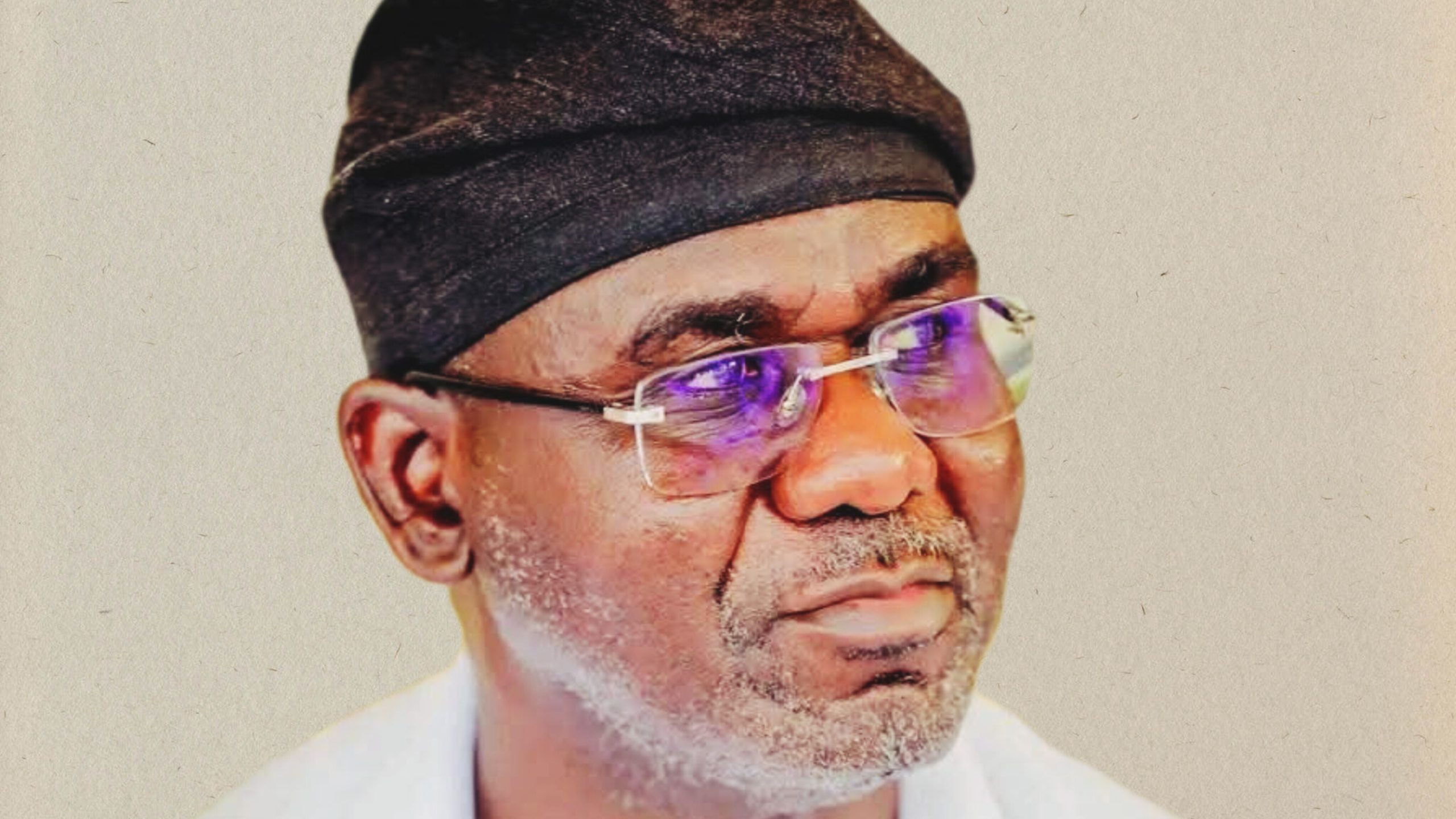
The former army chief recalled that in 2021 he warned that insurgency and banditry could continue for as long as two decades if drastic measures were not adopted. He noted that current realities appear to be validating that prediction, stressing that the growing capabilities of armed groups pose a major threat to national stability.
He cautioned that if the trend continues unchecked, top government officials, including ministers, lawmakers and state governors, could become targets of criminal gangs and terrorist networks.
He further argued that the current strategy of responding to insecurity has reached its limits and requires urgent reassessment. He observed that many armed groups now possess sophisticated intelligence networks, heavy weaponry and operational confidence that allow them to challenge conventional security forces.
General Buratai therefore called for the abandonment of policies centred on ransom payments and negotiations with criminal groups, advocating instead for a coordinated military and intelligence offensive aimed at dismantling insurgent and bandit strongholds across the country.
Drawing from what he described as successful security operations between 2015 and 2019, as well as the coordinated response structure employed during the COVID-19 pandemic, he recommended the establishment of a comprehensive security framework capable of bringing all relevant agencies under a unified command structure.
He proposed the creation of a National Emergency Command that would oversee operations in high-risk states, report directly to the President and operate with a clearly defined mandate to eliminate terrorist and bandit networks.
The retired general also stressed the need to target the financial and logistical networks that sustain criminal activities. According to him, bandit groups rely on a broad support system that includes financiers, illegal mining operators, informants, ransom negotiators and local collaborators. He urged security agencies to intensify efforts to identify, arrest and prosecute individuals who provide material or intelligence support to criminal organisations, insisting that the consequences for aiding terrorism must become severe enough to deter future collaboration.
On the role of state governments, Buratai said governors must take greater responsibility for security within their jurisdictions.
He called for the strengthening of community-based intelligence systems, the integration of properly regulated vigilante groups into formal security structures and the development of state-level policing initiatives that can complement the efforts of federal security agencies.
While expressing hope that political leaders would not become direct targets of criminal attacks, Buratai urged authorities to strengthen protective measures for senior government officials.
He recommended “enhanced counter-ambush training, improved intelligence sharing among security agencies and proactive measures designed to prevent attacks before they occur.”
However, he maintained that “the ultimate solution lies not merely in protecting individuals but in dismantling the broader criminal ecosystem responsible for violence and insecurity.”
Describing himself as a patriot with no political motives, Buratai said “my intervention was driven solely by concern for Nigeria’s future and failure to radically alter the country’s security strategy could result in even more alarming incidents in the coming years.”
“The abduction of ministers or governors is not inevitable, but it could become a real possibility if we continue with business as usual,” he stated.
The former army chief concluded by urging political leaders, security agencies and citizens to treat the death of Major General Rabe Abubakar as a final warning and a call to action, stressing that Nigeria cannot afford further preventable losses in its battle against insecurity.
Buratai served as Nigeria’s Chief of Army Staff from 2015 to 2021 and remains one of the country’s most prominent voices on security and defence matters.
__________