

2027 and the Rise of a Third Force: Can ADC’s Political Heavyweights Unseat Tinubu?
By Bashir Yahuza Malumfashi
Related posts


_______________
As Nigeria’s 2027 general elections approach, the political atmosphere is gradually heating up with shifting alliances, quiet calculations, and bold aspirations. In what could emerge as the most significant political realignment since the 2013 APC merger, a hypothetical coalition of high-profile Nigerian politicians — cutting across regions, religions, and political philosophies has reportedly merged under the African Democratic Congress (ADC). Their aim is to solely unseat the incumbent President, Bola Ahmed Tinubu.
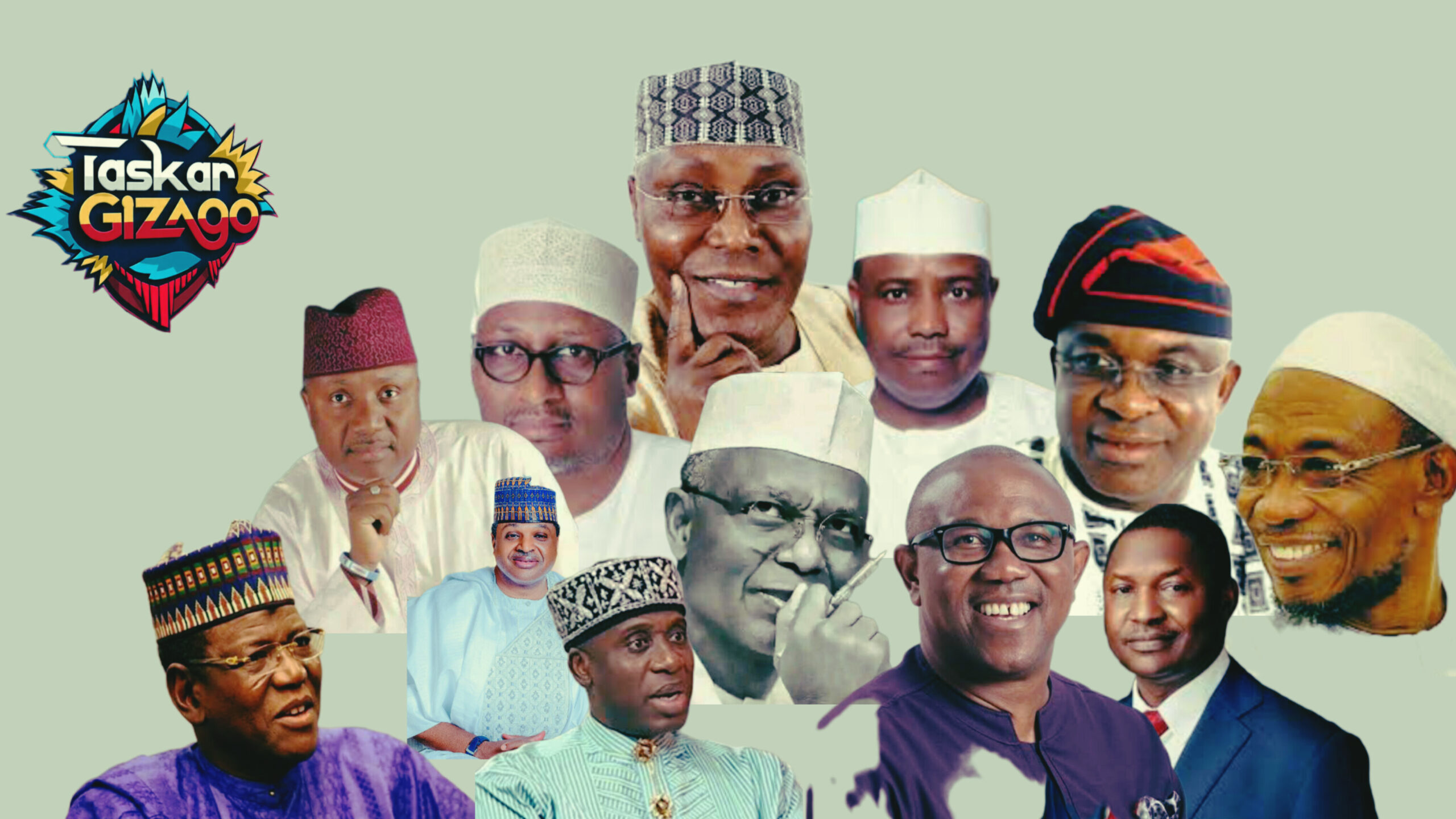
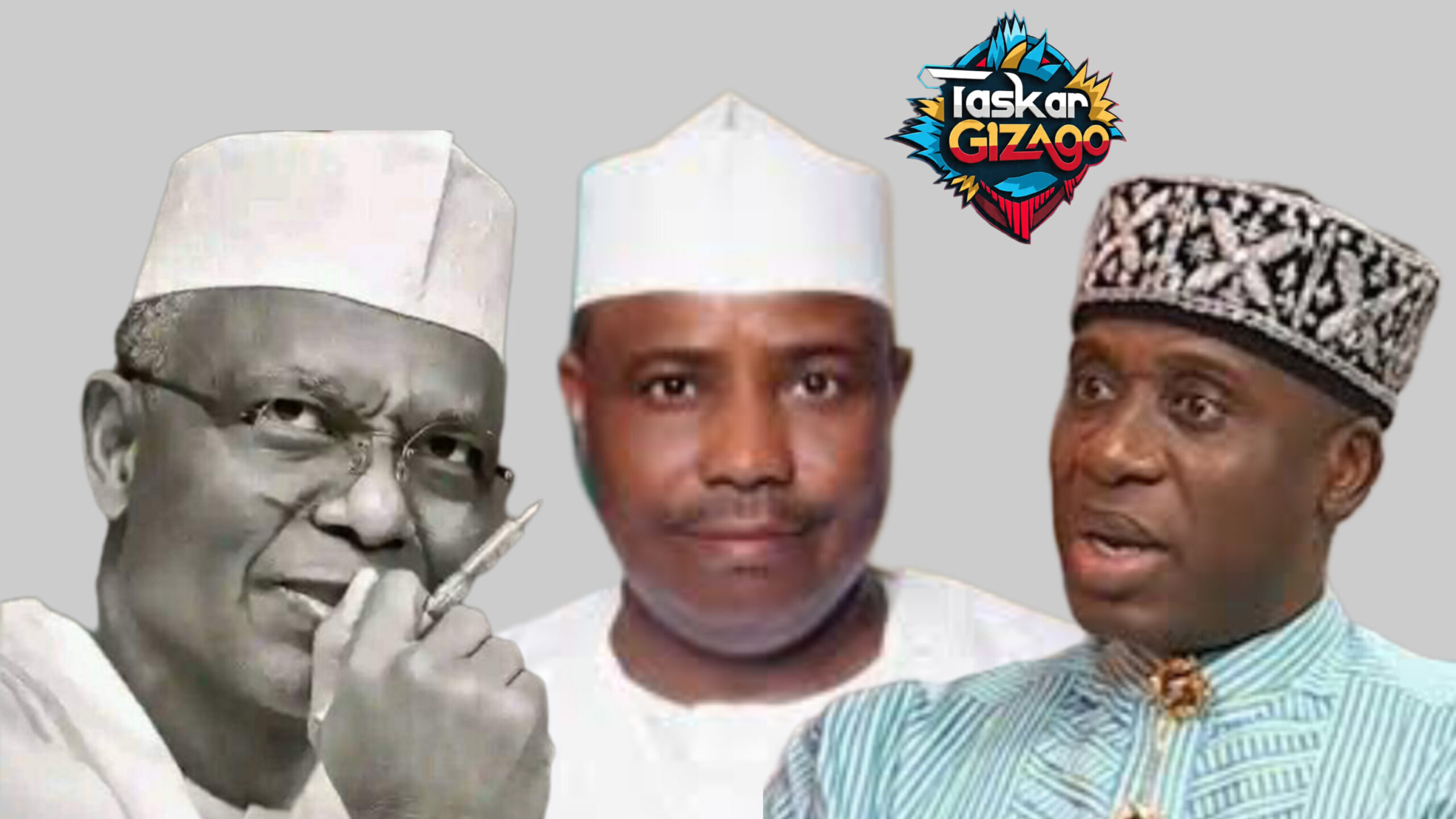
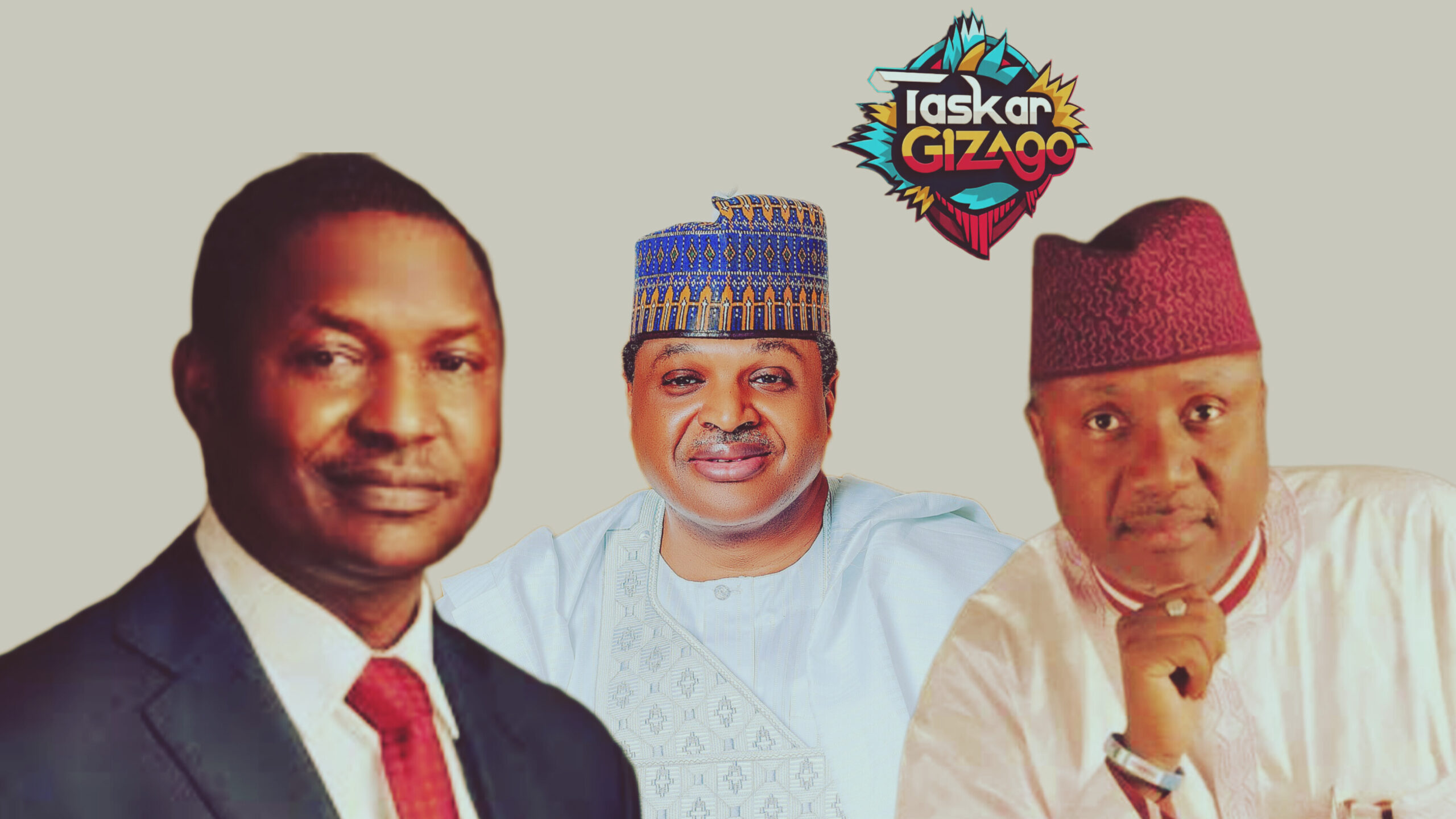
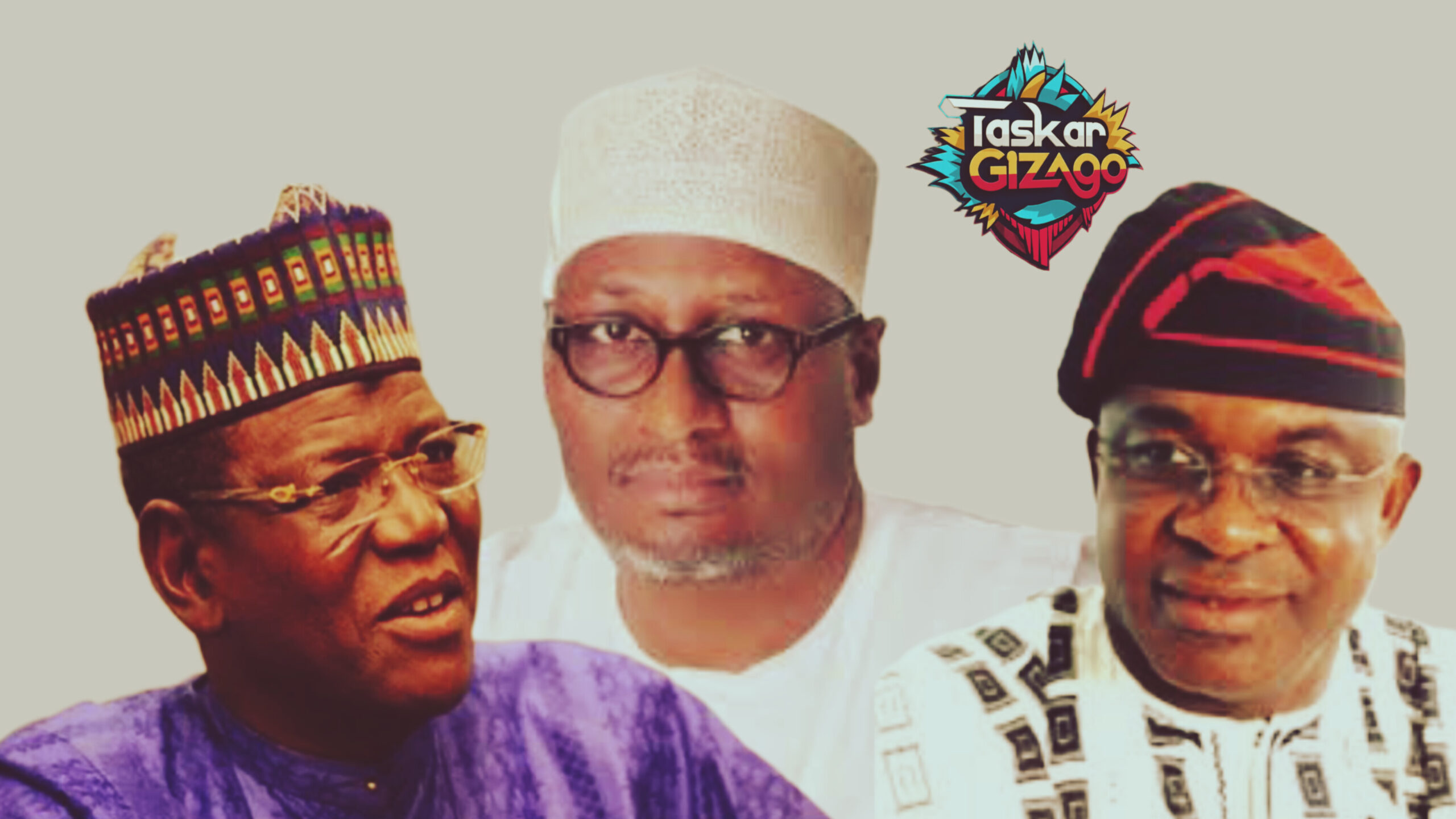
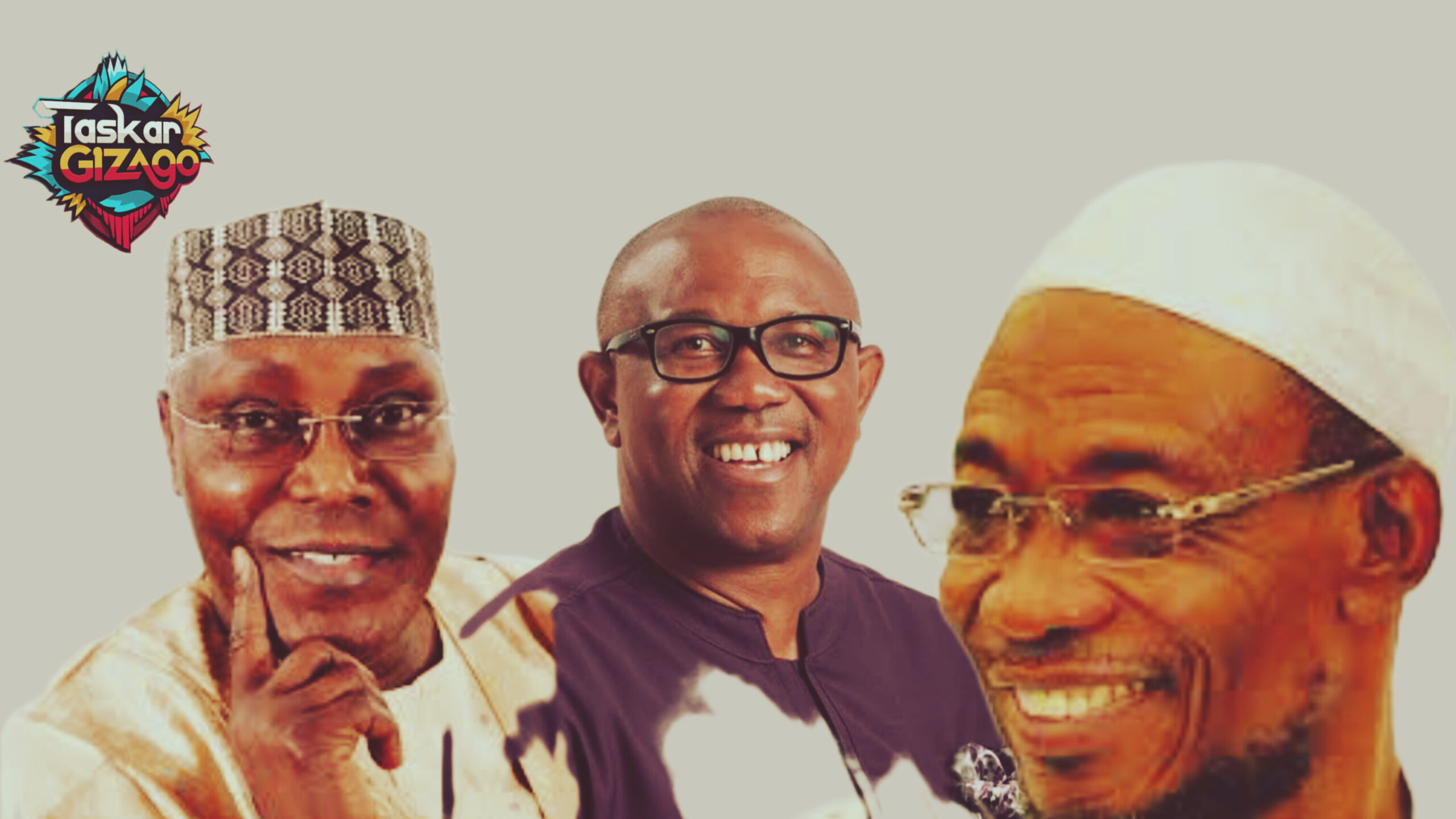
This coalition brings together some of Nigeria’s most recognizable political figures. Talk of former Vice President Atiku Abubakar, former Anambra Governor Peter Obi, former Kaduna Governor Nasir El-Rufai, and former Senate President David Mark, among others.
But can such a diverse group with varied histories and ambitions forge a successful third-force movement in a deeply divided polity? Can the ADC, long considered a fringe party, suddenly emerge as a viable national platform? This article explores the strengths, challenges, and realistic prospects of this powerful yet complicated coalition.
Who Are the Faces Behind the Coalition? The coalition reads like a “Who’s Who” of Nigerian politics: Atiku Abubakar, veteran political contender, respected in the North-East with a pan-Nigerian reach. Peter Obi, youth-favorite, data-driven reformist with massive support among urban dwellers and the diaspora.
There is Malam Nasir El-Rufai, controversial yet bold technocrat, with appeal to elite circles. Aminu Tambuwal, a bridge-builder between old and young, North and South. While Rotimi Amaechi, Ogbeni Rauf Aregbesola, and Sule Lamido bring South-South, South-West, and North-West depth; the legal and security figures like Abubakar Malami (SAN) and Air Marshal Sadique Abubakar add institutional and military gravitas.
This is not merely a gathering of disaffected politicians — it’s a cross-regional, cross-generational network with grassroots presence, political capital, and national name recognition.
What are their strengths and Strategic Opportunities? When it comes to Pan-Nigerian Representation, this coalition covers all six geopolitical zone, which is an extraordinary achievement in Nigeria’s sectionalized politics. If properly managed, this structure can project national unity and break the narrative of regional dominance.
With the vast population and yet neglected youth, their appeal and Obi’s momentum may be one of the coalition’s magic card. His 2023 presidential run transformed him into a national symbol of hope, especially for youths. His presence could energize voter turnout, particularly in South-East, South-South, and urban North-Central regions.
In the case of political and electoral machinery, veterans like Atiku, Tambuwal, and Amaechi command strong grassroots networks. Ahmad Mu’azu, a former PDP chairman, is known for his strategic mobilization skills.
Talk of technocratic appeal? With El-Rufai, Obi, and Air Marshal Sadique, the coalition could brand itself as a “government of thinkers,” focusing on reform, security, and economy key issues for the middle class and international observers.
What are the coalition’s alternative to the status quo? In that case, voter fatigue with both APC and PDP could work in their favor. Many Nigerians are seeking a credible “third option” after decades of disappointment in almost all areas of human endeavors – economy, security, social amenities etc.
Can funding and resources force a challenge to the coalition? Going by any scrutiny, this group is not short on finances. Between Atiku’s business network and Amaechi’s influence, funding a competitive national campaign is plausible.
What are the possible challenges that could derail the movement if not properly addressed? Ideological Disunity: The coalition is a blend of progressives, conservatives, and populists. While Obi represents clean governance and economic prudence, Malami is viewed as a vestige of establishment politics. This contradiction could alienate core supporters and create internal rifts and so they need to take care and forge a common front to avoid such rift.
Leadership Tussle: Who will fly the presidential flag? Atiku may feel entitled due to experience, Obi enjoys moral authority and youth backing, Tambuwal and Amaechi may also stake claims. Without a clear and early consensus, the coalition could implode from within. In order to succeed, the stakeholders must unite and get a good candidate that can have the backing of Nigerian people.
Religious and Ethnic Sensitivities: Nigerian politics remains identity-driven. Balancing the North-South and Muslim-Christian equation will be delicate. Any perceived favoritism could trigger internal unrest or loss of voter trust. The coalition must endeavor to stabilize and do away with ethnicity/religious coloration.
Weakness of ADC as a Platform: The party has little to no structure in many states. Building a national party structure in under 24 months is ambitious. Without it, even the best candidates will struggle with mobilization. But with the caliber of the players it’s possible to win the heart of Nigerian masses.
Incumbency Advantage: President Tinubu controls the Federal Government, the ruling party (APC), and the levers of power from security agencies to INEC influence. Dislodging an incumbent is never easy, especially one deeply entrenched in Nigeria’s political economy. To counter this is the average Nigerian masses that are suffering from the harsh economic policies of Tinubu’s government.
Voter Apathy and Electoral System Risks: Many voters are disillusioned, and widespread mistrust of the electoral system persists. Without robust reforms, any opposition campaign may be undermined by vote suppression, manipulation, or low turnout. The coalition must go to extra mile and be vigilant to that effect and they can deploy the 2015 Buhari’s style of “A Kasa-A-Tsare-A-Raka-A-Ƙirga” (Guard Your Vote).
And now comes the million dollar question – xan this coalition defeat Tinubu in 2027? Yes, if: They settle early on a consensus candidate and campaign with one voice. Tap into youth energy, urban frustrations, and economic discontent. ADC transforms from a dormant party to a national movement with credible local chapters. They maintain discipline, avoid ego clashes, and articulate a bold policy vision.
And the answer can be categorical no, if: Internal ego battles erupt over ticket sharing. The coalition lacks a clear ideological identity or begins to look like a recycled PDP/APC alliance. Tinubu stabilizes the economy, delivers visible infrastructure, and leverages state resources for electoral advantage. The ADC fails to inspire public confidence or field competent candidates at local levels.
Final Word: A Coalition of Promise or a Dream Deferred? This coalition, on paper, is the most promising attempt at a pan-Nigerian third force in decades. But history has taught us that ambition alone is never enough. What they need now is visionary leadership, a clear roadmap, and above all, the discipline to put the national interest above personal ambition.
Should they fail to forge unity, trust, and purpose, they risk becoming just another footnote in Nigeria’s long list of broken alliances. But should they rise above ego and deliver a credible alternative, they might just rewrite Nigeria’s political history in 2027.
_______________
Bashir Malumfashi is the Editor-In-Chief, Taskar Gizago Magazine (online), bashiryahuza47@gmail.com