

Nigeria at 64: How Far So Far?
By Bashir Yahuza Malumfashi
Related posts


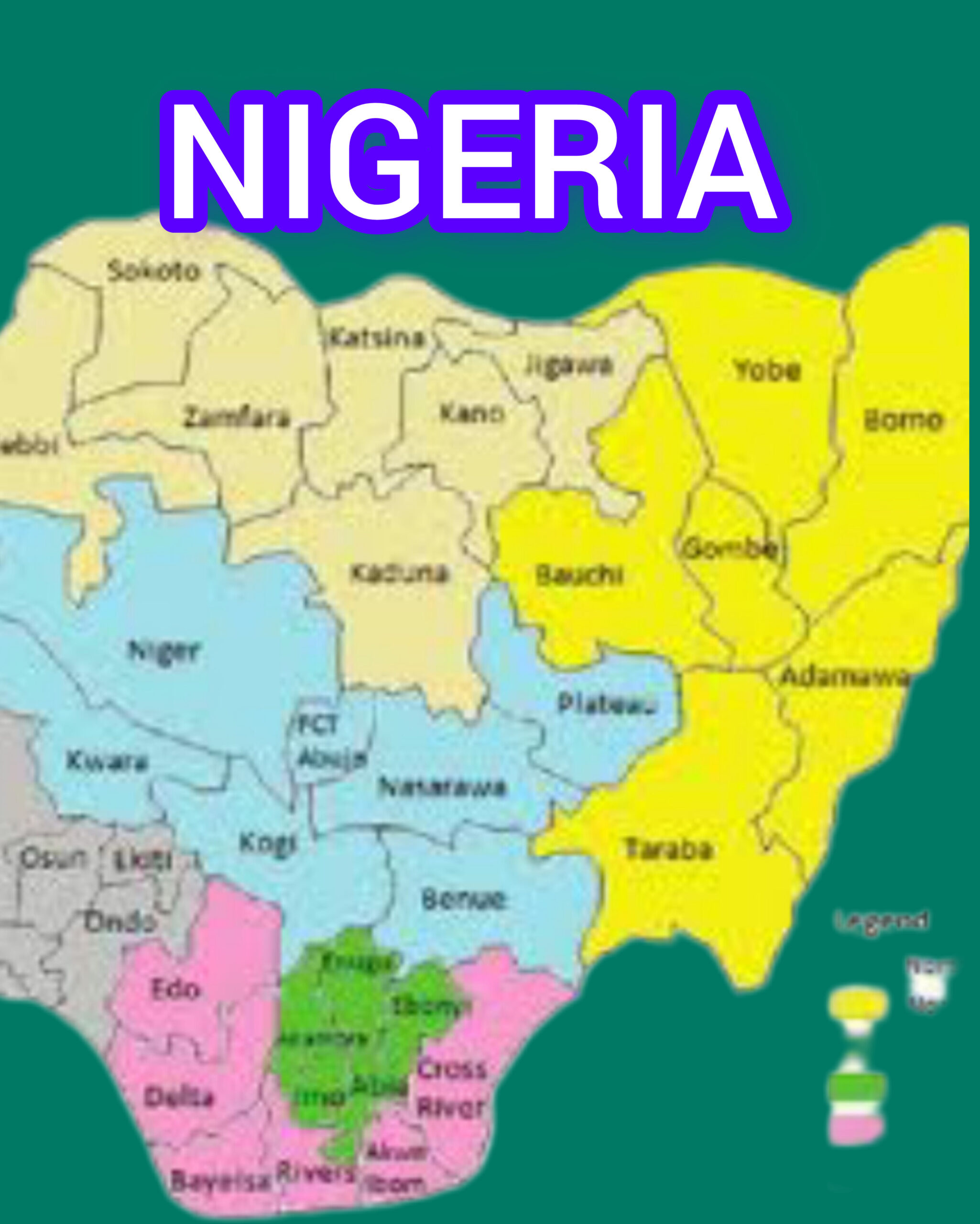
On the 1st October, 2024, Nigeria has precisely attained its 64th anniversary. This is a pivotal moment to reflect on the country’s progress and challenges.
Despite its rich natural resources and abundant human capital, Nigeria faces numerous hurdles that hinder its growth and development. Insecurity, deplorable condition of education and escalating number of out of school children. It faces high rate of unemployment and high rate of inflation. There is lack of adequate healthcare facilities and workers. Other challenging issues include high cost if living, high cost of fuel due to importation debacles. High rate of crime is the order of the day coupled with high rate of corruption. More so the nation is deplorably sick in all fronts due to lack of patriotic leaders. Another stumbling block is the over dependence on foreign powers.
And now the million Dollar question, what’s the way forward to overcome these multifarious problems and challenges?
Insecurity:
Though Boko Haram and insurgency have being decimated but banditry, kidnapping and other nefarious activities have become rampant, more especially in the north western and central parts of the country; causing widespread fear and displacements.
To overcome the menace, the government and other stake holders must come together to enhance security in general. Government should as a matter of urgency, strengthen law enforcement, address root causes of the problems and promote community engagement through intelligence gathering and targeted operations.
Education:
Education in the nation suffers multiple setback. The archaic curriculum and bad operational system that depends more on theory, deplorable condition of schools and escalating out-of-school children, lack of enough and qualified teachers undermine the country’s future.
To improve and boost the sector, government must prioritize it by investing hugely, provide qualitative infrastructure. It must focus on aggressive employment of adequate, trained teachers and cater for their general welfare through good remunerations, allowances and other incentives. It must redesign, upgrade the educational curriculum to suit the digital age.
Unemployment:
It is unbecoming the way the country is on daily basis recording high rate of joblessness, especially among youths. The menace exacerbates social unrest in the polity.
As a way of addressing the challenge of unemployment, the nation as a matter of urgency engage on economic diversification, poster entrepreneurship, industrialization and agricultural development to reduce dependence on oil. Government should implement economic stimulus packages to address unemployment and inflation.
Many tactical and patriotic initiatives must be deployed in order to reduce inflation and economic woes to the barest minimum in the country. It is very alarming the way inflation is soaring by the day. People are subjected to high cost of living due to the escalating prices of petroleum products caused by over dependence on importation in one hand and straining the economy in the other.
The nation should be geared towards self-sufficiency through promotion of local production, reduce import dependence and invest hugely in renewable energy.
Healthcare Problems:
The story of healthcare in Nigeria is very unpalatable. Most of the clinics in the country are what one can refer to as “mere consulting.” This is due to inadequate, deplorable facilities, trained personnel and equipment. The problems compromise healthcare delivery, leading to unnecessary deaths and suffering.
As a measure to address the healthcare problems in the nation, a state of emergency must be institutionalized. Engage in robust healthcare reforms, upgrade facilities, train healthcare professionals, provide them with juicy and attractive remuneration packages and promote preventive care mechanism in the sector.
Corruption and Bad Leadership:
It is indeed a fact that God has provided Nigeria with abundant natural and human resources but yet the country is backward because of lack of good, patriotic leaders, endemic and pervasive corruption.
As a measure to address the menace of corruption and bad governance in the country, there is a need for general societal re-orientation, institutional reforms. There is the need to strengthen anti-corruption agencies, promote transparency and ensure accountability. There’s also the need to encourage patriotic leadership, civic engagement and inclusive decision-making.
Over Reliance on Foreign Powers:
Nigeria, despite being independent for 64 years but it still depends on external foreign powers economically. And this stance limits Nigeria’s autonomy and undermines its self-sufficiency.
To become self-sufficient, Nigeria must promote local production, reduce import dependence and invest in human capital.
Other Key Recommendations:
√ Nigeria must develop a comprehensive national development plan.
√ Must establish a robust monitoring and evaluation framework.
√ Must foster public-private partnerships.
√ It must enhance regional cooperation and international collaboration.
Conclusion:
As Nigeria celebrates its 64th anniversary, it’s crucial to acknowledge progress while confronting challenges. By adopting a proactive, inclusive, and sustainable approach, Nigeria can: address insecurity and promote peace, revitalize education and healthcare, foster economic growth and self-sufficiency and ensure accountable leadership and governance. By tackling these challenges head-on, Nigeria can unlock its potentials, builds a brighter future, harnessing the country’s potentials to become a beacon of hope in Africa and the world at large.
_______________
© Bashir Yahuza Malumfashi is the Editor-in-Chief,
Taskar Gizago Magazine (Online). He can be reached via
E-mail: bashiryahuza47@gmail.com