

Dr. Bukar Usman Builds Unity Among Nigerian Tribes and Cultures
– Li Chunguang, a Chinese Scholar
By Khalid Imam

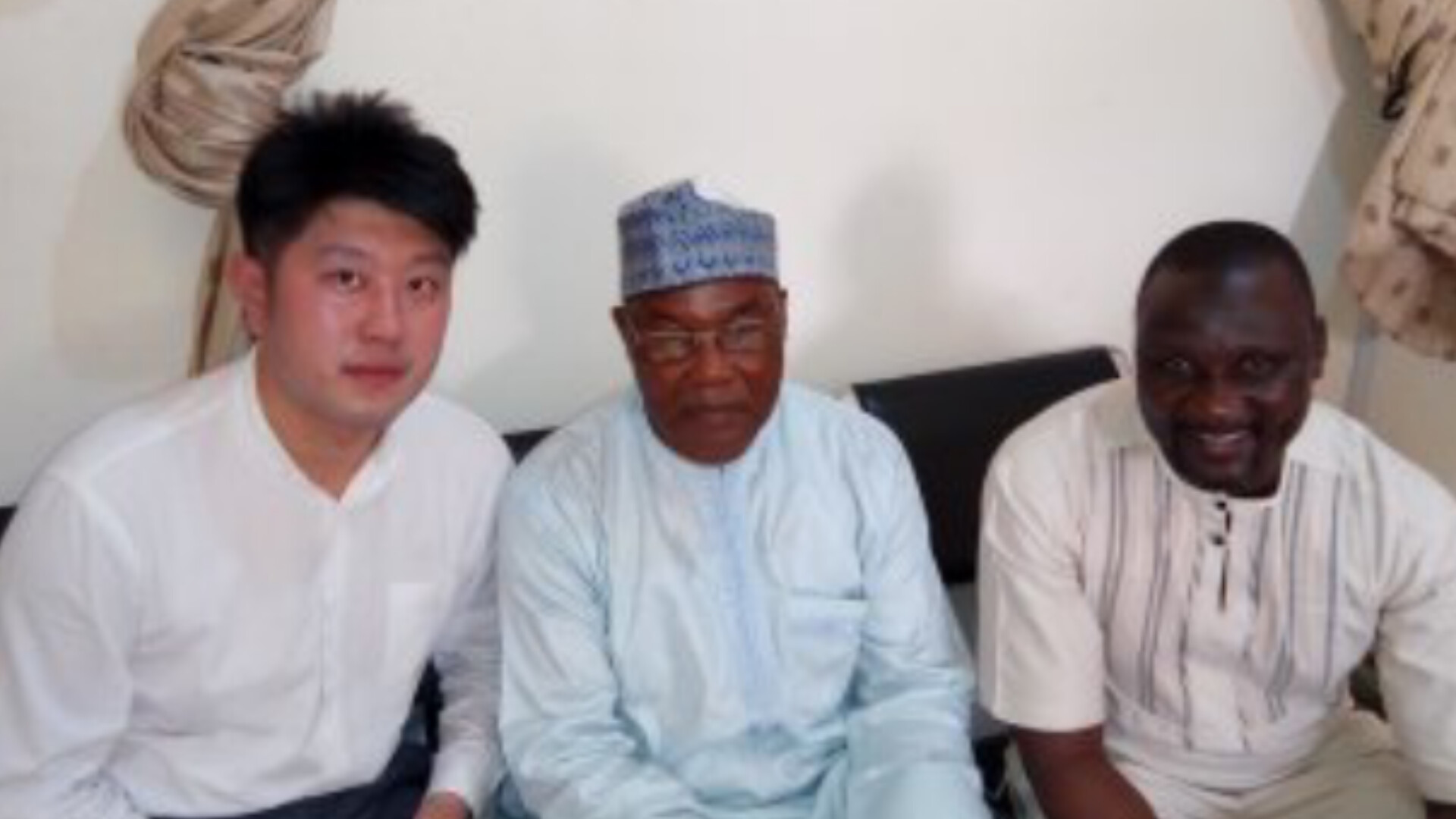
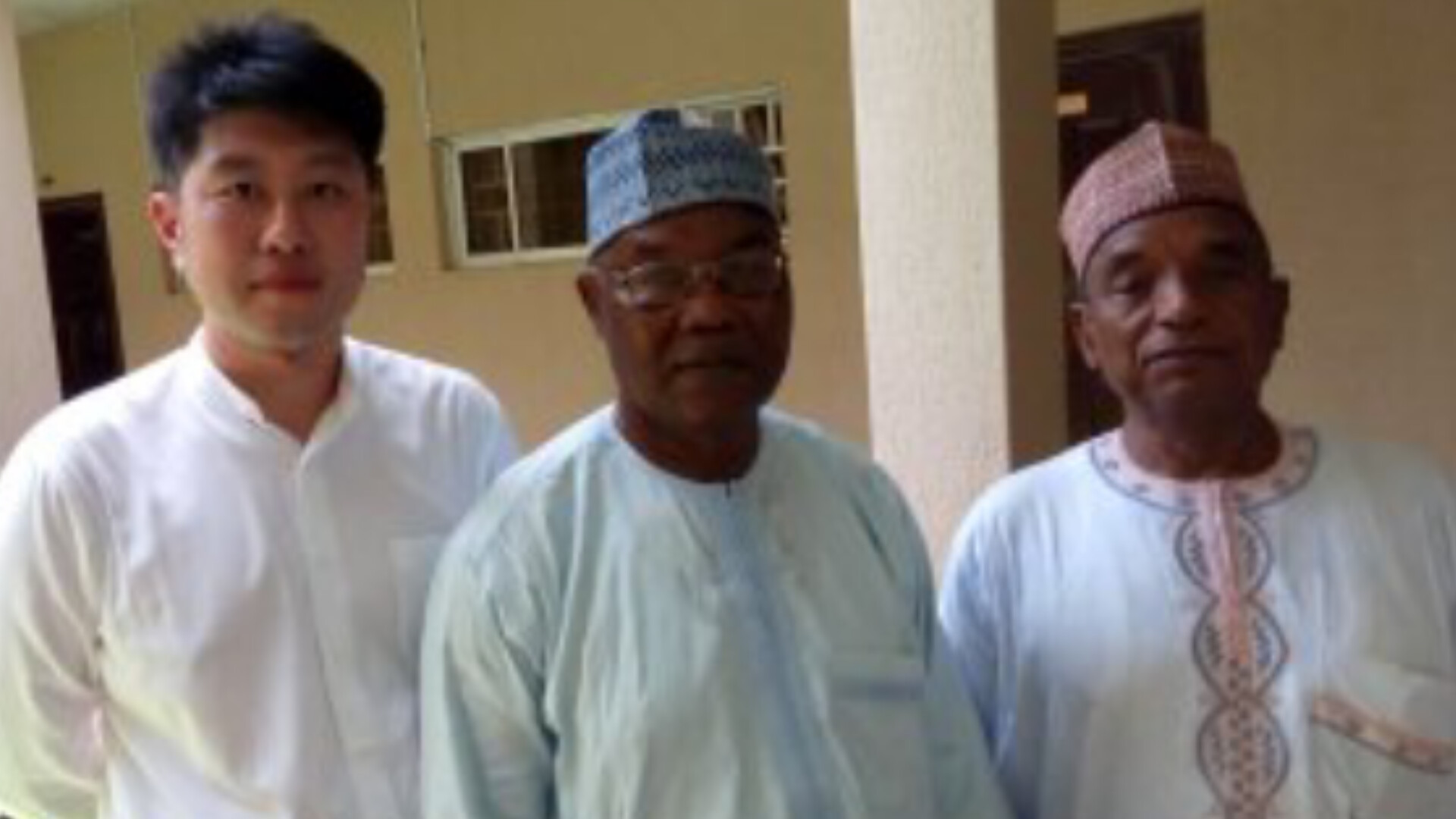
Li Chunguang alias Malam Baƙo is a lecturer, School of African Studies, Beijing Foreign Studies University, Beijing, China. He speaks and writes Hausa. Khalid Imam, a poet, writer and school administrator based in Kano, Kano State, Nigeria had interviewed the scholar via internet on September 10, 2024. Excerpts:
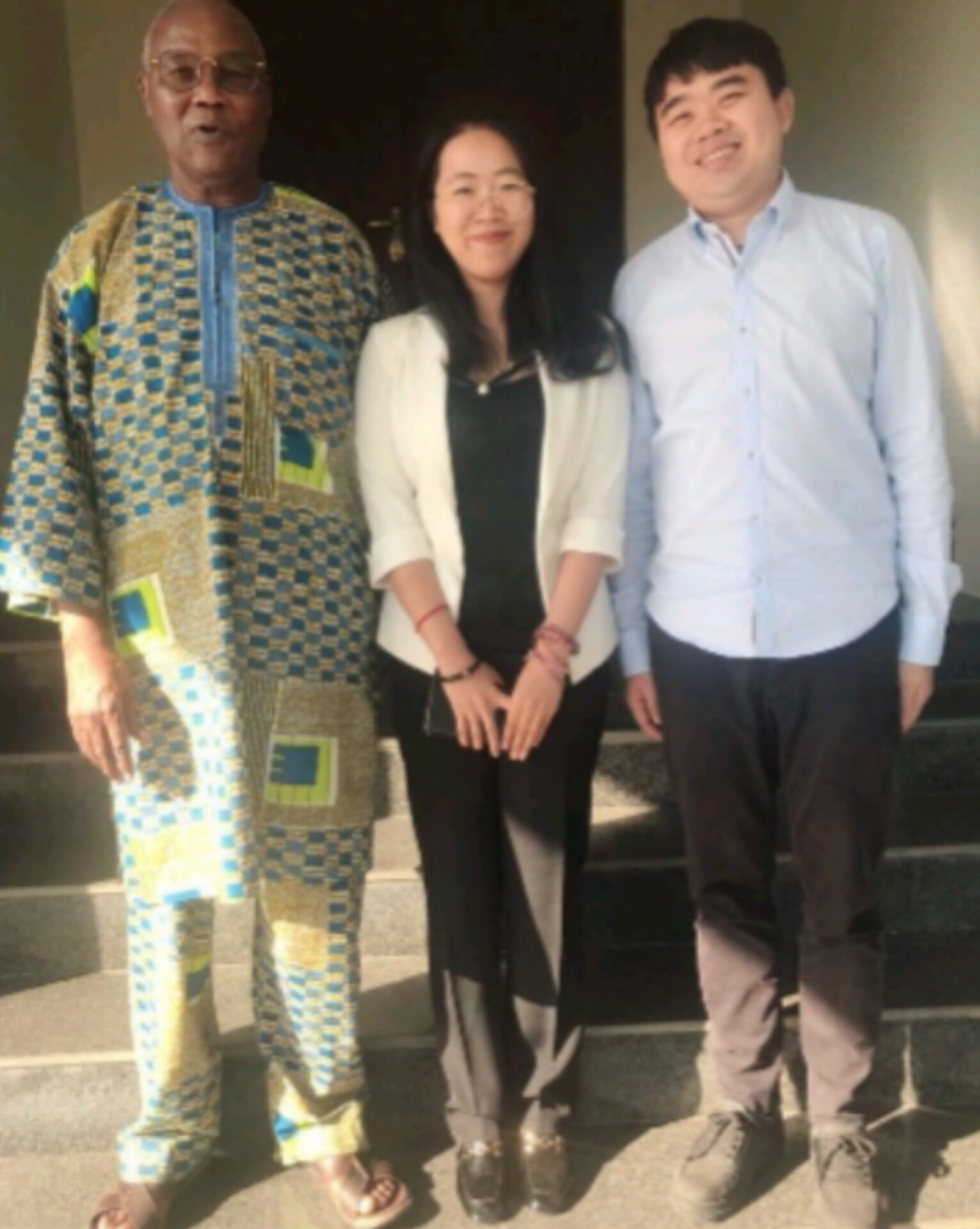
Khalid: Tell us how or when you first heard of Dr. Bukar Usman and which of his multiple personalities as a writer, historian, folklorist or public administrator did you first encounter?
Li Chunguang: I had the opportunity to meet Chairman Bukar Usman at the Language, Culture, and Folklore Conference held at the Bayero University Kano (BUK) in 2017. Chairman Usman’s endeavors to utilize folklore and culture as a means of fostering integration in Nigeria inspired me. Such a nation as Nigeria, comprising numerous linguistic, ethnic and religious groups, Usman is dedicated to fostering a unified literary heritage, thereby strengthening the cohesion of the Nigerian nation. His exemplary patriotism as a public administrator is commendable. As a writer, he pays homage to Nigeria’s history and raises public awareness of the nation’s cultural heritage. I was privileged to gain insight from Usman and expand my understanding of Nigeria.
Khalid: As a multilingual scholar, which language did you usually communicate with Dr. Usman: in English, Hausa or Chinese and why?
Li Chunguang: Usman displays an impressive command of Babur/Bura, Hausa and English languages. His proficiency extends beyond mere familiarity with these languages. He is also adept at employing them to discuss diverse historical and cultural topics. Furthermore, Chairman Usman placed a high value on Nigeria’s foreign collaboration, encouraging not only me but also other scholars from other countries to enrich their studies and research on Nigerian languages, history and culture.
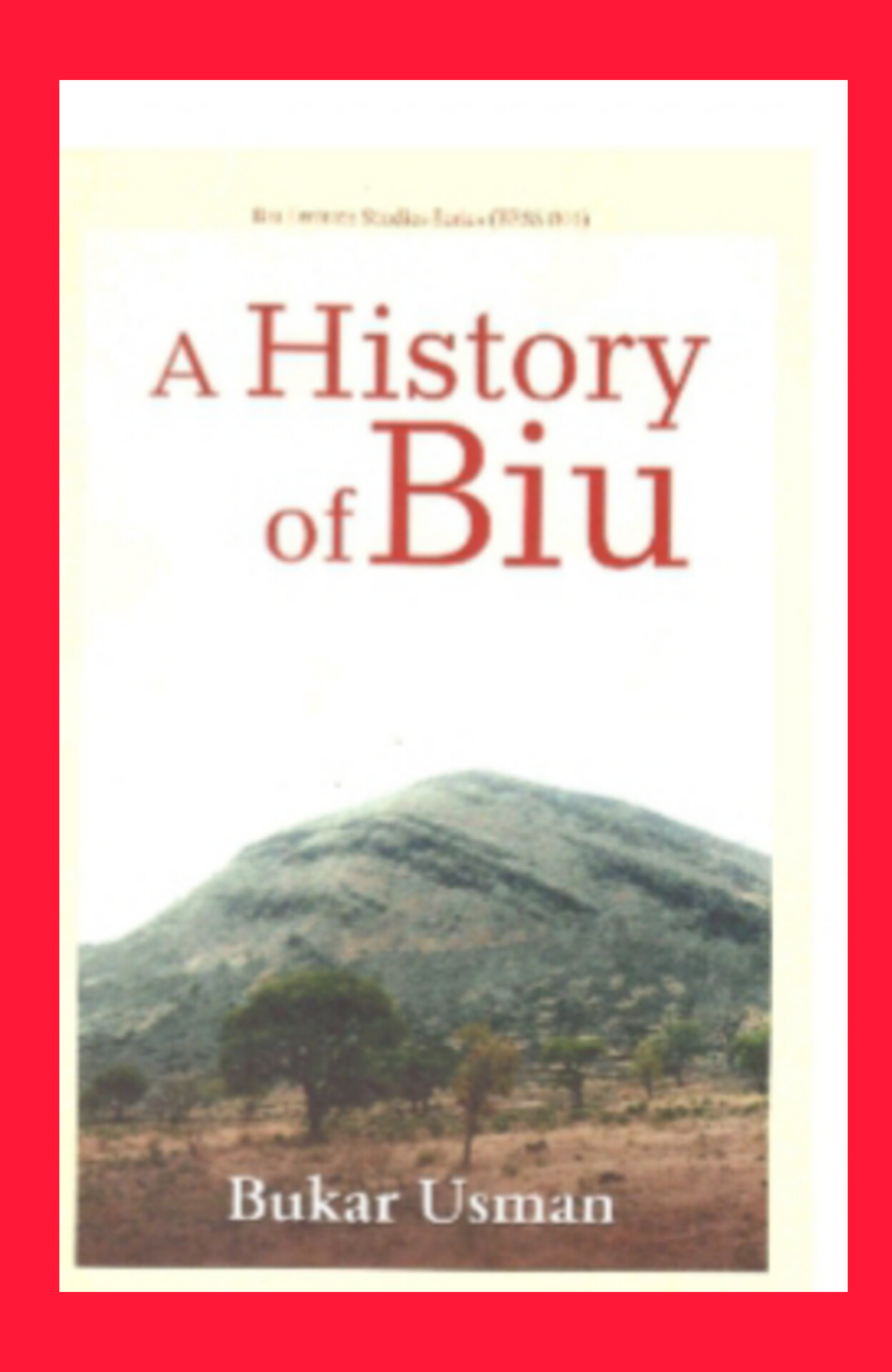
Khalid: How have you been appreciating Dr. Usman’s publications, and which ones have had the most impact on you as a researcher of African literature and cultural studies?
Li Chunguang: His book A History of Biu! For the majority of people, Northern Nigeria is Hausaland. However, there are numerous other cultural identities across this region, particularly in North-Eastern Nigeria, where the Biu culture is situated. From Kanem, which was part of the Borno Kingdom, to the present-day Borno State, this book employs a historical perspective to elucidate the history and culture of the Biu people.
Khalid: Have you taught your students any of Dr. Usman’s folktales or literary works? If so, which ones and what was the motivation?
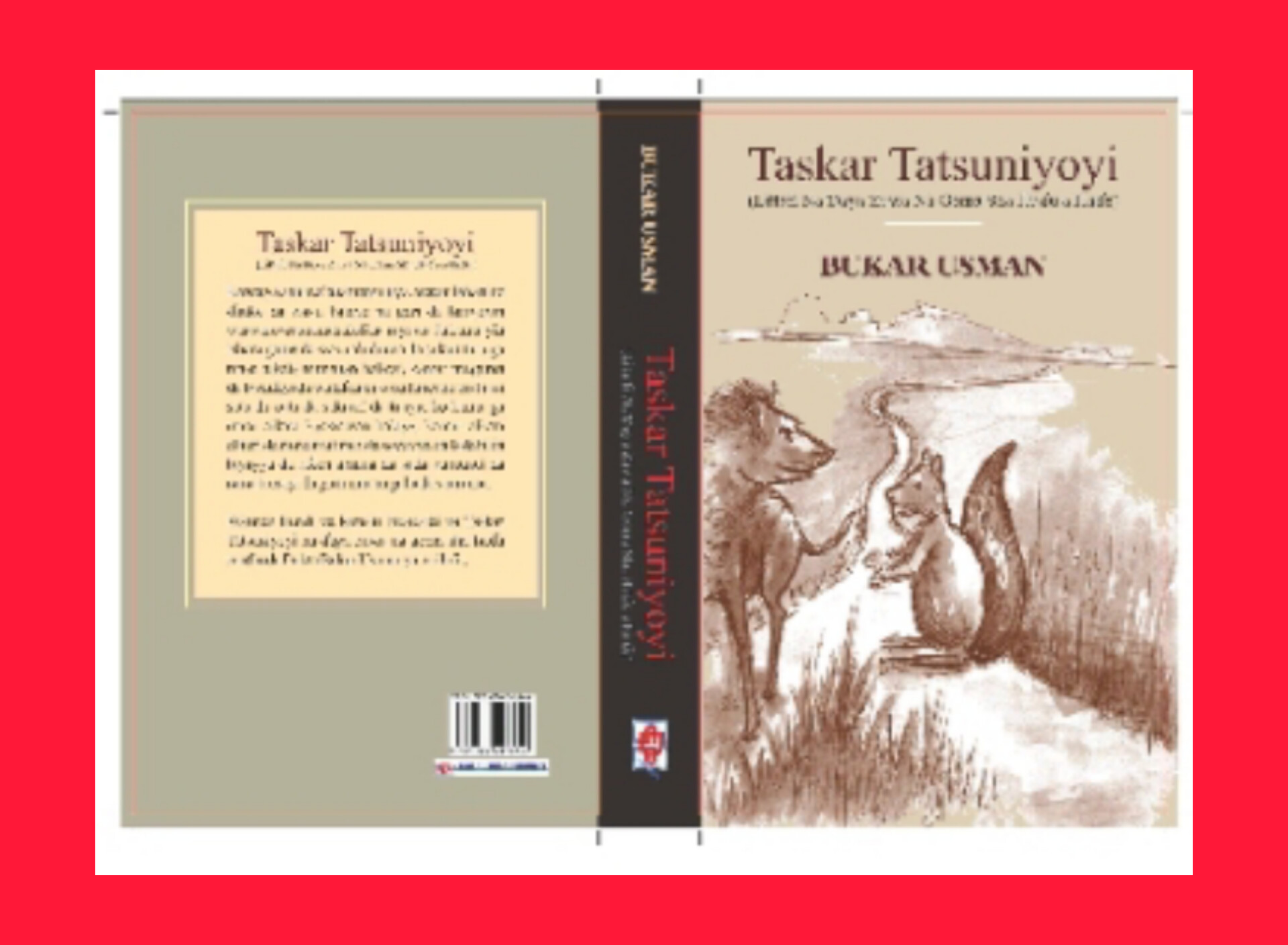
Li Chunguang: Yes, Taskar Tatsuniyoyi!I would like to express my gratitude to Chairman Usman for his invaluable assistance in providing me with the PDF version of the book and for encouraging me to select the most pertinent sections to share with Chinese Hausa learners and Nigerian researchers. Our objective is to gain a deeper understanding of the literary and cultural heritage of Nigeria’s diverse ethnic groups, which will in turn enhance our proficiency in Hausa language.
Khalid: Are the Chinese students who once visited Dr. Usman in his Abuja residence your students? Kindly share with us the mission behind their visit?
Li Chunguang: Apart from the meeting with Chairman Usman at BUK, I have been unable to communicate with him again face-to-face. However, I have maintained communication with him via email and telephone. It is my intention to visit him in Nigeria at the earliest opportunity.
Khalid: How does Dr. Usman’s books contribute to the field of Hausa studies and African culture in China?
Li Chunguang: In addition to the books mentioned above, Chairman Usman always shares conferences information in the fields of Nigerian literature and folklore, which I find to be of considerable value.
Khalid: Can you share any memorable experiences or conversations you have ever had with Dr. Usman?
Li Chunguang: Dr. Usman offered insights into the etymology of proverbs, the nuances of Hausa culture, and a comprehensive understanding of Nigerian cultural traditions. One particular discussion occurred when I was not fully attentive to the Hausa spelling and made a mistake. He kindly corrected my mistake, and I have gained a lot from his correction.
Khalid: Has your University ever received book donations from Dr. Usman or you as a scholar? If so, which books and can you remember how many?
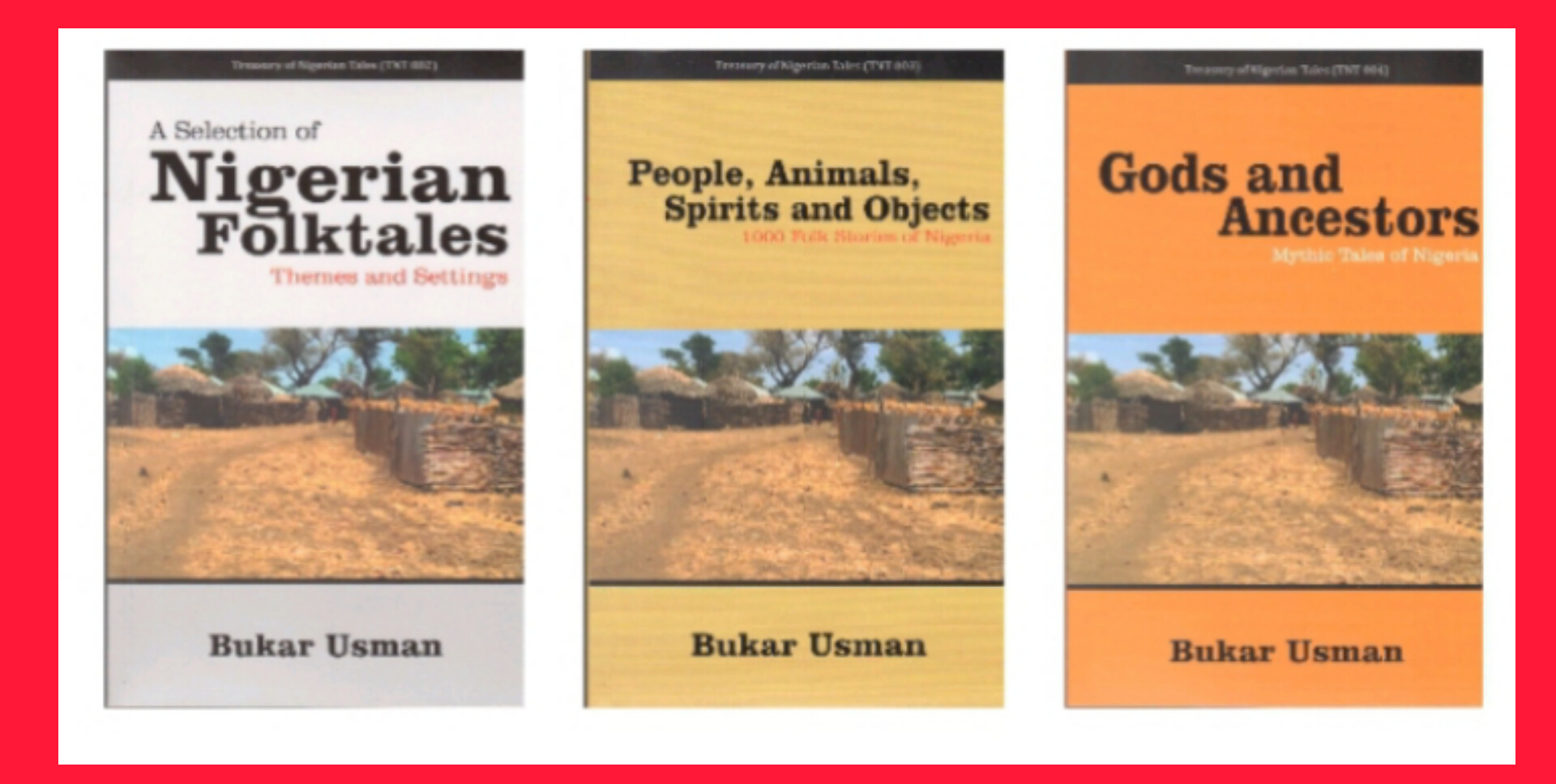
Li Chunguang: Beside his books about history and folklore, he also provided me with a selection of his poetic compositions through you (Khalid Imam) my friend.
Khalid: What was your initial reaction upon receiving the book donations from Dr. Usman?
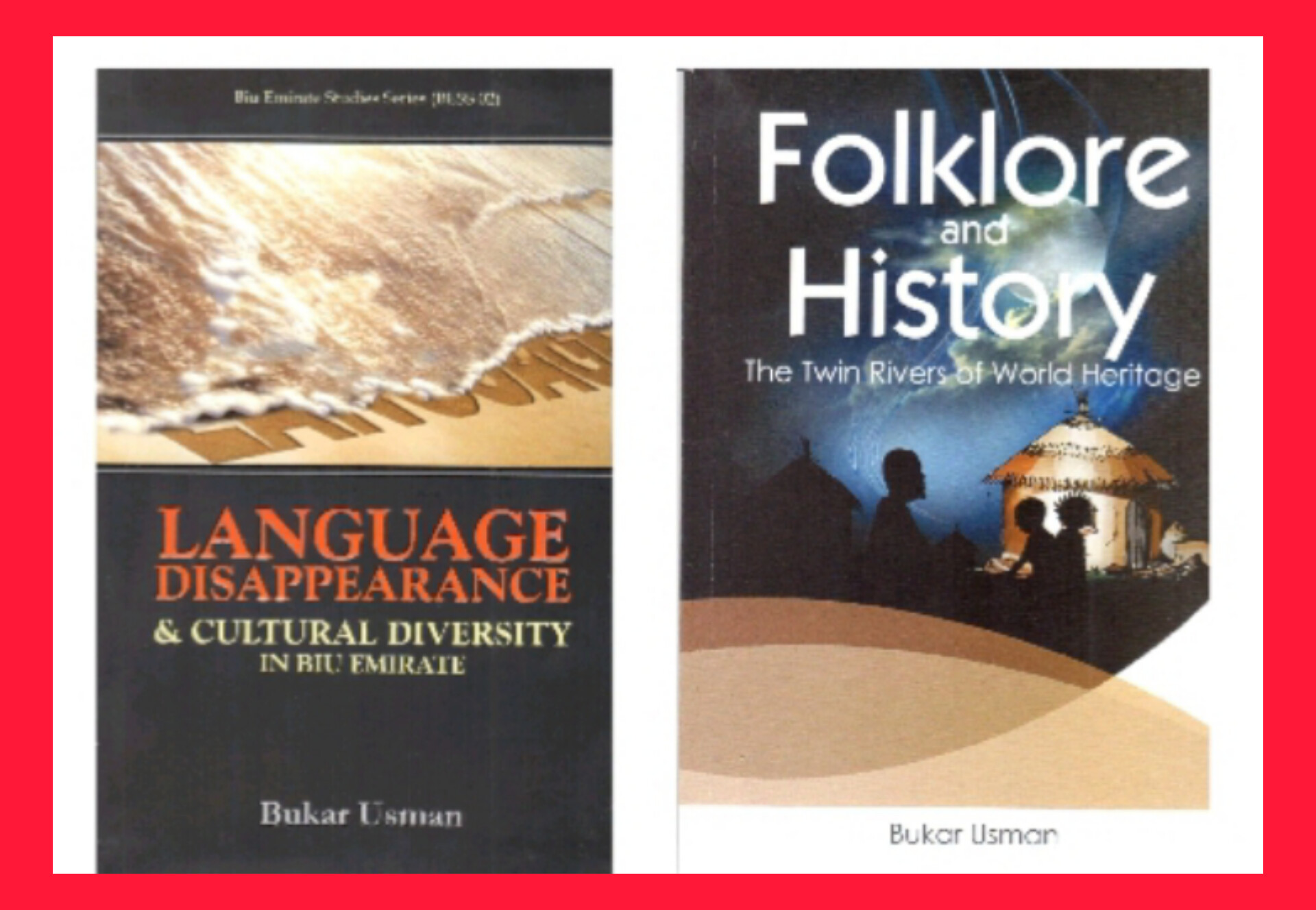
Li Chunguang: As an academic specializing in Hausa language, I was grateful to receive works on Hausa language and some in English language in the areas of Nigerian languages, literature, history and culture. It is often the case that researchers encounter significant challenges due to lack of literature in Hausa language. I would like to express my gratitude to Dr. Usman for his contributions.
Khalid: How have the donated books been utilized at your University or center, and have they contributed to any research or academic programs?
Li Chunguang: The impact has been significant, particularly in teaching students as I mentioned earlier. It is reasonable to posit that in the near future, students will undertake research on the work of Dr Usman.
Khalid: Did Dr. Usman’s generosity in donating books come as a surprise to you, or were you aware of his reputation for sharing knowledge?
Li Chunguang: I know Dr. Usman as a very generous scholar who is often selfless to scholars of Nigerian languages, literature and culture.
Khalid: Have you or your University reciprocated Dr. Usman’s kindness in any way, such as through collaborations or invitations?
Li Chunguang: We have previously tried to invite Dr Usman to give lectures or strengthen our collaboration with him, and we shall do that again in the future.
Khalid: How do you think Dr. Usman’s book donations reflect his values and commitment to education and research?
Li Chunguang: It is often said that we come into the world with nothing and take nothing with us when we pass away. But we can leave the world with valuable spiritual wealth. But the man who contributed so much to education and research will always be remembered.
Khalid: Have the donated books helped to promote Hausa language, literature and culture among your students or colleagues in China?
Li Chunguang: These books enhance their knowledge of Nigeria not only in terms of language but also in terms of culture.
Khalid: How did you feel about Dr. Usman’s generosity in sharing his knowledge and resources with your institution, and has it had any impact on your research or teaching activities?
Li Chunguang: This question has been answered earlier.
Khalid: How does Dr. Usman’s commitment to sharing knowledge resonate with Chinese cultural values? Do you see any link between them?
Li Chunguang: Chinese values believe that if you share a rose with someone, your hand will be full of flavor. For Chinese learners and researchers, they will remember Dr Usman’s act of kindness.
Khalid: Have you collaborated with Dr. Usman on any research projects or initiatives? If so, what were they? If no, any future plan?
Li Chunguang: We look forward to strengthening our co-operation with Usman in the future in the areas of language, culture and folklore.
Khalid: How does Dr. Usman’s publications as a historian and archivist inform your own or any of your student’s research on African culture?
Li Chunguang: This question has also been addressed earlier.
Khalid: In what ways do you think Dr. Usman’s publications can be used to promote cultural exchange between Nigeria and China?
Li Chunguang: It is imperative that Nigerians and Chinese reinforce the humanistic exchange of language, literature and culture, as these elements serve as invaluable conduits for fostering mutual understanding and connection between the two nations.
Khalid: Have you introduced any of Dr. Usman’s books to other Chinese scholars or institutions? If so, what has been their response?
Li Chunguang: We look forward to being able to invite Dr Usman to present his writings and research in person at the time of the lecture.
Khalid: How do you envision continuing Dr. Usman’s legacy in promoting Hausa language and culture in China and beyond?
Li Chunguang: It is our intention to promote Nigerian multiculturalism to China and Chinese culture to Nigeria.
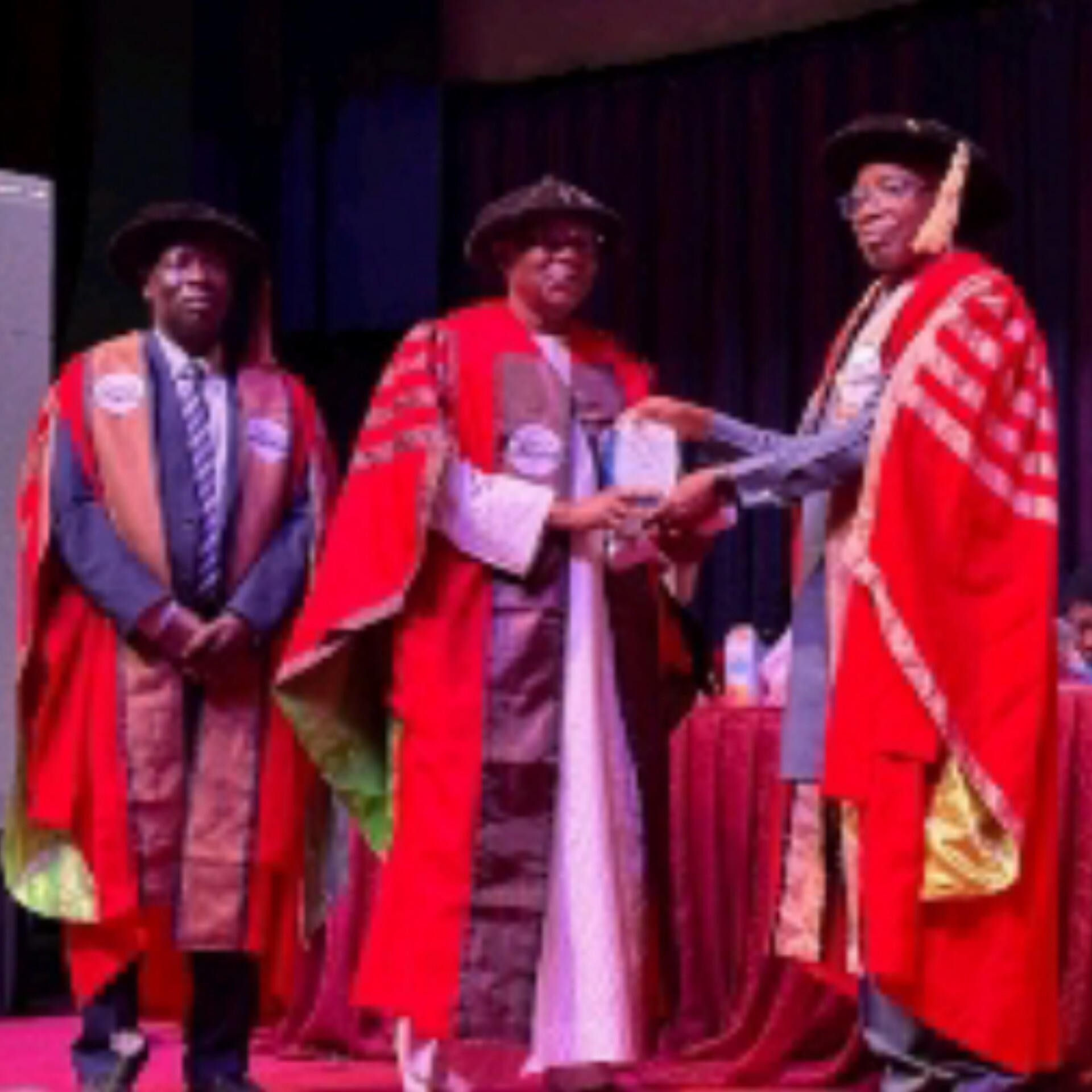
Khalid: Any word of congratulation to Dr. Usman on his recent Nigerian Academy of Letters (NAL) Honorary Fellowship (HFNAL) Award?
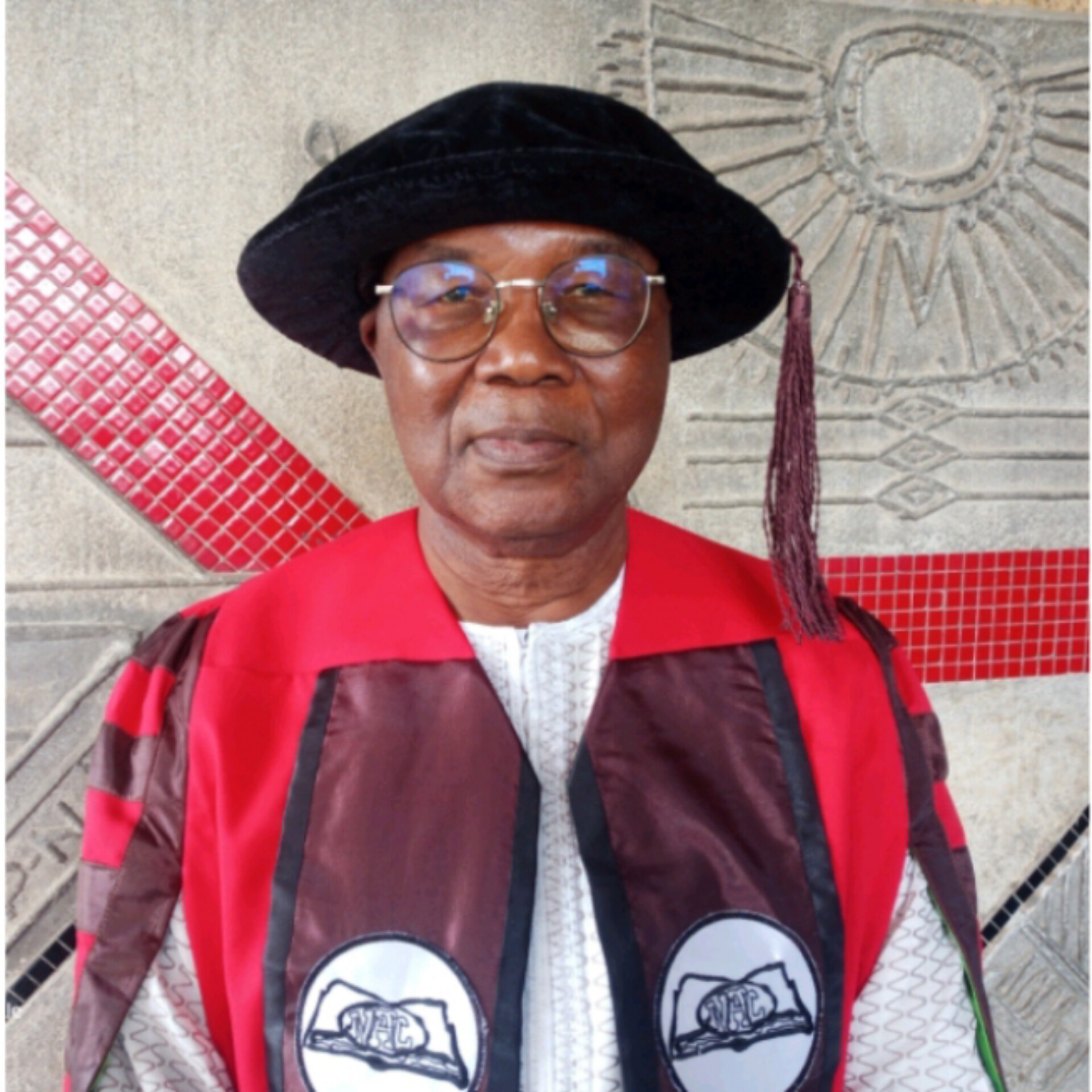
Li Chunguang: He serves as an exemplar for us to emulate, and I extend my sincerest congratulations to Dr Usman on his success.
Khalid: Do you see more awards coming to him considering his unwavering commitment to Hausa literature?
Li Chunguang: I don’t think Dr Usman needs any more award to prove his contributions; because everybody understands his contributions to Nigerian languages, culture, literature and history.
Khalid: I quite appreciate your time.
Li Chunguang: Thank you for your questions!
______