

Tribute to Ngũgĩ wa Thiong’o: The Literary Lion of Africa (1938-2025)
By Bashir Yahuza Malumfashi


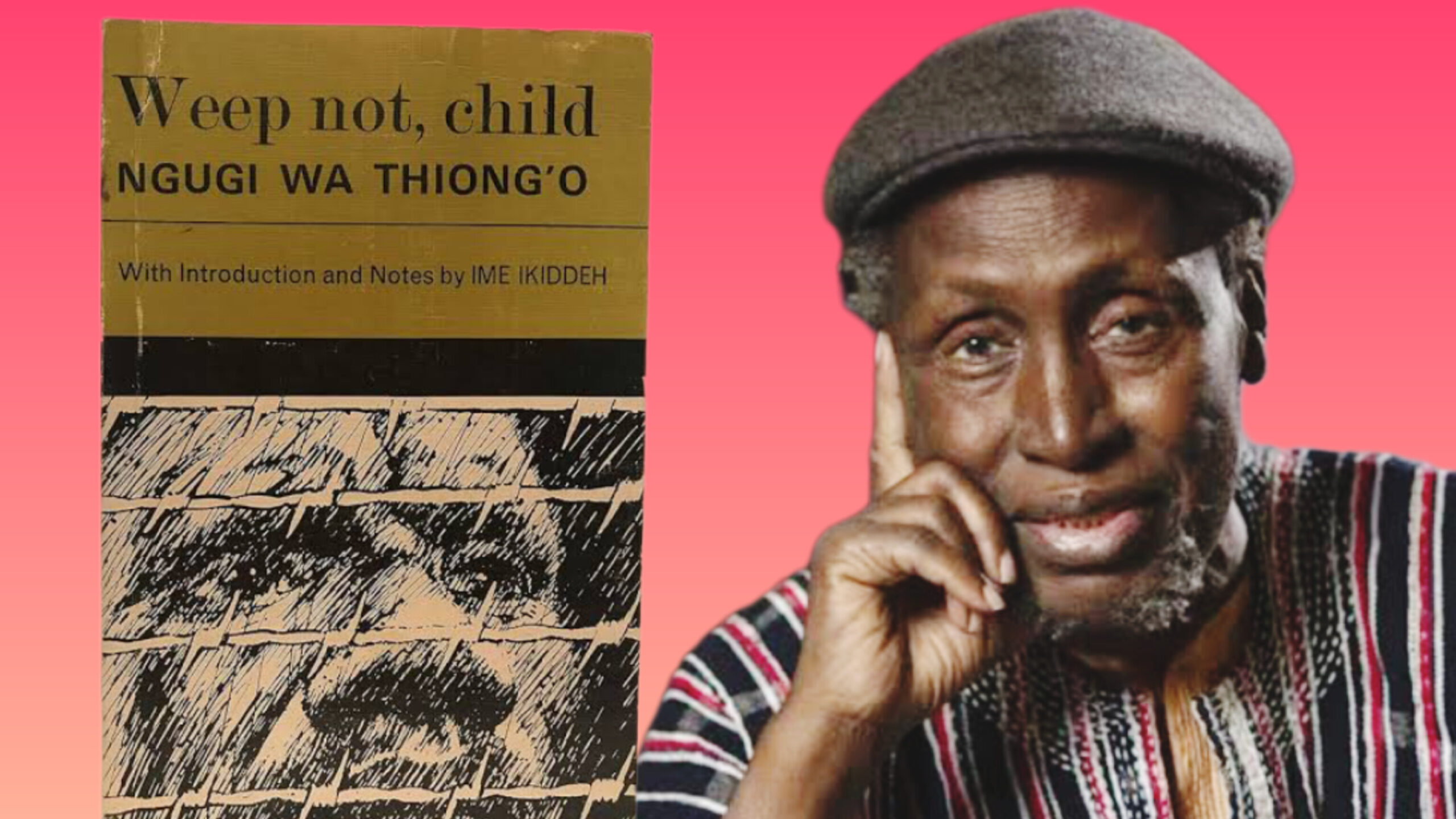
The world has lost a towering literary figure with the passing of Ngũgĩ wa Thiong’o on Wednesday, 28-05-2025 at the age of 87.
More than a writer, Ngũgĩ was a conscience-keeper, a cultural warrior, and a beacon of intellectual resistance against colonial domination. Born James Ngugi in 1938 in colonial Kenya, he would later renounce his English name and embrace his Gikuyu heritage, becoming a powerful advocate for African languages, cultures, and identities. His death leaves a deep void not just in African literature, but in the global landscape of letters.
Ngũgĩ wa Thiong’o’s literary journey began with promise and passion. His first novel, Weep Not, Child (1964), was the first major English-language novel by an East African. It told the moving story of a young boy coming of age during the Mau Mau uprising in Kenya. Through his early works such as The River Between (1965) and A Grain of Wheat (1967), Ngũgĩ depicted the complexities of Kenya’s colonial and postcolonial struggles, capturing the dilemmas of identity, betrayal, and resistance with lyrical power and moral clarity.
Yet Ngũgĩ’s greatest transformation came in the 1970s when he made a profound decision that would define his legacy: to write exclusively in his native Gikuyu and other African languages. He argued that language was not just a tool of expression, but also a carrier of culture and power. His seminal essay collection, Decolonising the Mind (1986), became a radical manifesto for African intellectual liberation, urging writers to abandon colonial languages and reclaim their indigenous tongues.
This commitment came at a cost. His 1977 play Ngaahika Ndeenda (“I Will Marry When I Want” co-written with Ngũgĩ wa Mirii and performed in Gikuyu with local peasants and workers, so alarmed the Kenyan government that Ngũgĩ was arrested and imprisoned without trial. It was in prison that he wrote the novel Devil on the Cross (1980) on toilet paper — a defiant act of literary resistance. His imprisonment and subsequent exile did not silence him but rather amplified his voice across the world.
In exile, Ngũgĩ continued to write prolifically, producing novels, essays, memoirs, and children’s books that spanned languages and continents. His major works in Gikuyu, such as Matigari (1986), and later Mũrogi wa Kagogo (Wizard of the Crow, 2006), expanded the scope of African literature, merging oral traditions, satire, and magical realism. His narratives did not just entertain — they indicted corrupt regimes, celebrated African resilience, and reimagined the possibilities of a decolonized Africa.
Ngũgĩ’s literary contributions earned him numerous international accolades and honorary degrees, but more importantly, he inspired generations of writers and scholars. His scholarship and storytelling challenged Western paradigms of knowledge and literature, insisting that Africa need not look outside itself for validation or wisdom. He was frequently nominated for the Nobel Prize in Literature, and while he never received it, he remained a literary giant in the eyes of millions.
The list of Ngũgĩ’s works is both extensive and impactful. Among his notable books are:
Novels: Weep Not, Child (1964), The River Between (1965), A Grain of Wheat (1967), Petals of Blood (1977), Devil on the Cross (1980), Matigari (1986), Wizard of the Crow (2006).
Plays: The Black Hermit (1963), Ngaahika Ndeenda (1977), I Will Marry When I Want.
Essays: Homecoming (1972), Decolonising the Mind (1986), Moving the Centre (1993), Something Torn and New (2009).
Memoirs: Detained: A Writer’s Prison Diary (1981), Dreams in a Time of War (2010), In the House of the Interpreter (2012), Birth of a Dream Weaver (2016).
Children’s books: Njamba Nene and the Flying Bus (1991), among others.
To African writers, Ngũgĩ offered a model of principled creativity — unafraid to speak truth to power, unwilling to compromise cultural sovereignty, and unswervingly committed to the elevation of African voices. His advocacy for writing in African languages helped ignite movements for linguistic justice across the continent and beyond. His belief that African stories must be told in African tongues remains a revolutionary idea in postcolonial literature.
As we mourn his passing, we also celebrate a life lived with integrity, vision, and unmatched literary brilliance. Ngũgĩ wa Thiong’o did not simply write books — he built bridges between past and future, between the oral and the written, between the oppressed and the hopeful. His words will echo across generations, reminding us that to write — and to write in one’s own language — is an act of freedom.
Rest in peace, Ngũgĩ wa Thiong’o. Your pen did more than narrate history — it made history. You stood for Africa with every sentence you wrote, and in doing so, you gave Africa back to itself. May your journey to the ancestral realm be as noble as the legacy you leave behind.
__________
Bashir Malumfashi, writer, poet and journalist is the editor of Taskar Gizago Magazine (online)