

Exposing Plans of Fake Hausa Activists & Ba-Zata Mischief Mongers to Cause Confusion and Discord in Northern Nigeria (8)
By Bashir Yahuza Malumfashi


_______________
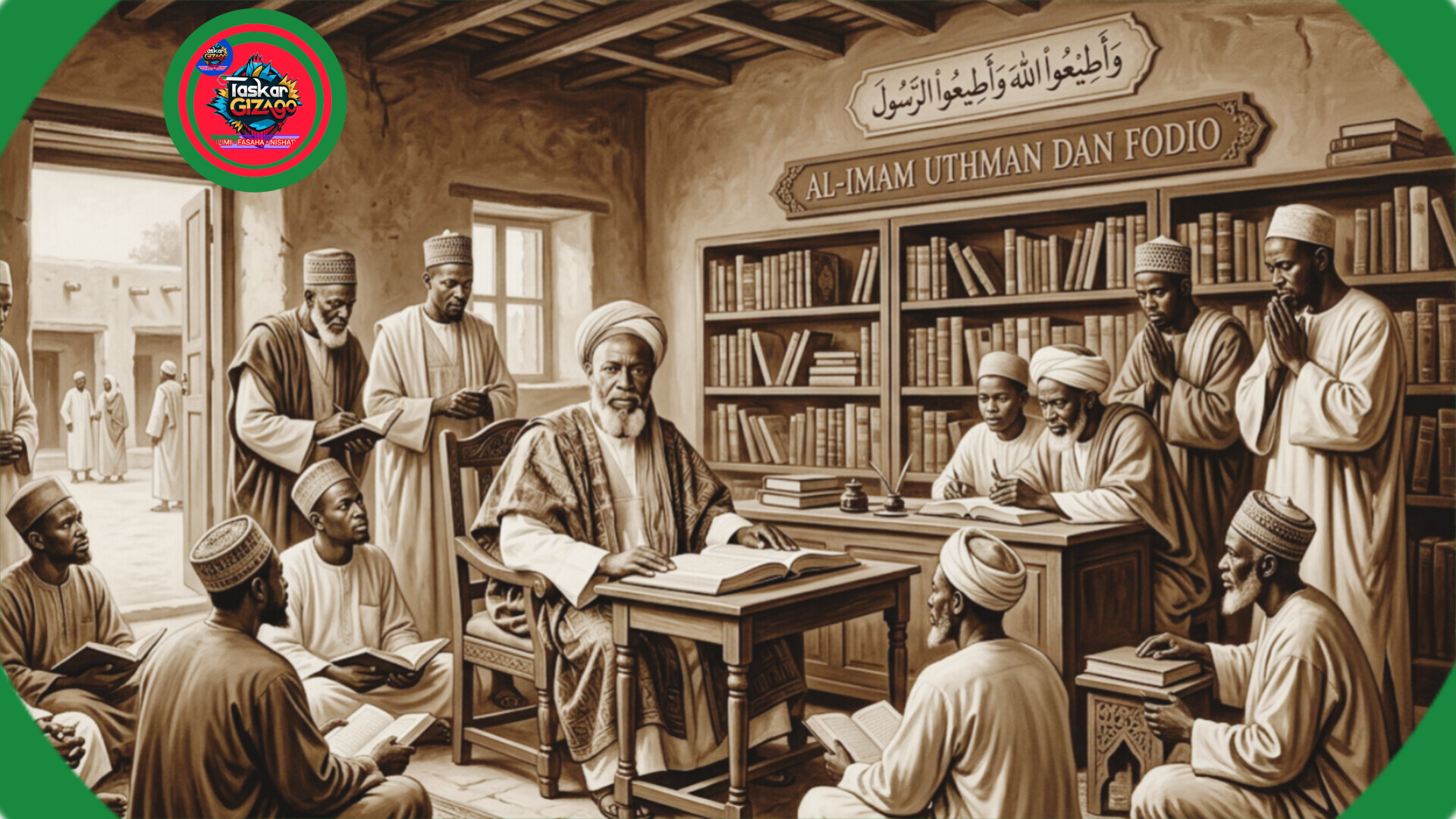
√ Did the Jihad of Dan Fodio Benefit Muslims or Harm Them?
In continuation of this discussion, today we will examine the above question: Did the Jihad of the reformer, Shehu Usman Dan Fodio (RTA), benefit the Muslim community, or did it harm them?
The main reason for raising this question is due to the way members of the so-called “Hausawa Zalla” group or ‘Yan Ba-Zata have been distorting history, insisting on twisting facts and undermining the immense good that the movement brought to the people of West Africa and indeed the wider world.
However, this does not come as a surprise, because their objective is to sow discord and conflict among the people of Northern Nigeria as a whole. They cannot achieve this unless they first corrupt history, thereby creating doubt in the hearts of the people. Otherwise, in this 21st century, who would aspire to return to an era of ignorance characterized by tribalism and pagan practices?
Regarding our question about the contributions of the reformer Dan Fodio, before presenting our answer, we call on the public: anyone seeking accurate information about his history and his noble works should consult authentic historical sources, credible books that have made efforts to present verified accounts of the positive transformations brought by the reformer, particularly on how he established a sound and morally upright state that purified society.
For example, there is the book by Murry Last titled “The Sokoto Caliphate,” published by Humanities Press in 1967. There is also “Jihad in West Africa: The Age of Revolutions” by Paul E. Lovejoy, published by Ohio University Press in 2016.
Likewise, anyone seeking the truth about the reformer should consult “Usman Dan Fodio: The Great Mujaddid and Reformer,” written by Ibrahim Sulaiman and published by Hudahuda Publishing in 1987. Another relevant work is “Shehu Usman Dan Fodio: His Life, Teachings and Influence,” also written by Ibrahim Sulaiman and published by Islamic Publications Bureau.
All these books contain authentic historical accounts of the reformer Dan Fodio and his works. Interestingly, some of these authors, such as Paul E. Lovejoy, are not Muslims, which further indicates that their historical findings are objective and reliable.
These books, along with many others not mentioned here, clearly demonstrate that there is no doubt that Shehu Usman Dan Fodio was a righteous man and a distinguished Islamic scholar who revived and spread Islamic teachings across West Africa. He was a reformer who established a well-structured and just Islamic state, one whose system was even studied, emulated, and utilized by Western powers.
Furthermore, evidence confirms the sincerity of Dan Fodio’s intentions regarding his jihad: it was undertaken purely for the sake of God and His Messenger, not for the pursuit of power or wealth. He launched his jihad in 1804, and by 1808, he had conquered major Hausa cities such as Kano, Katsina, Zaria, and others, establishing the Sokoto Caliphate based on Islamic law (Sharia).
Moreover, after this success, he did not assume kingship in the state. Instead, he appointed his son, Muhammadu Bello, and his brother, Abdullahi of Gwandu to lead and govern the caliphate. He himself continued his work in teaching and educating people until the end of his life in 1817.
Dear readers who have been following this series patiently, we will pause here for today. We shall meet again in Part 9, where we will outline some of the significant contributions and assistance that the reformer Shehu Dan Fodio provided to the Muslim community, benefits that continue to endure and will remain relevant for generations to come.
__________