

Exposing Plans of Fake Hausa Activists & Ba-Zata Mischief Mongers to Cause Confusion and Discord in Northern Nigeria (6)
By Bashir Yahuza Malumfashi

_______________
√ Why Are Members of the “Hausawa Zalla” Group Insulting and Abusing Ɗanfodiyo?
Peace be upon you, dear readers who have patiently followed this series. Today, we continue our discussion on the activities of the group known as Hausawa Zalla (also referred to as Hausawan Bogi or “Ba-Zata.”)
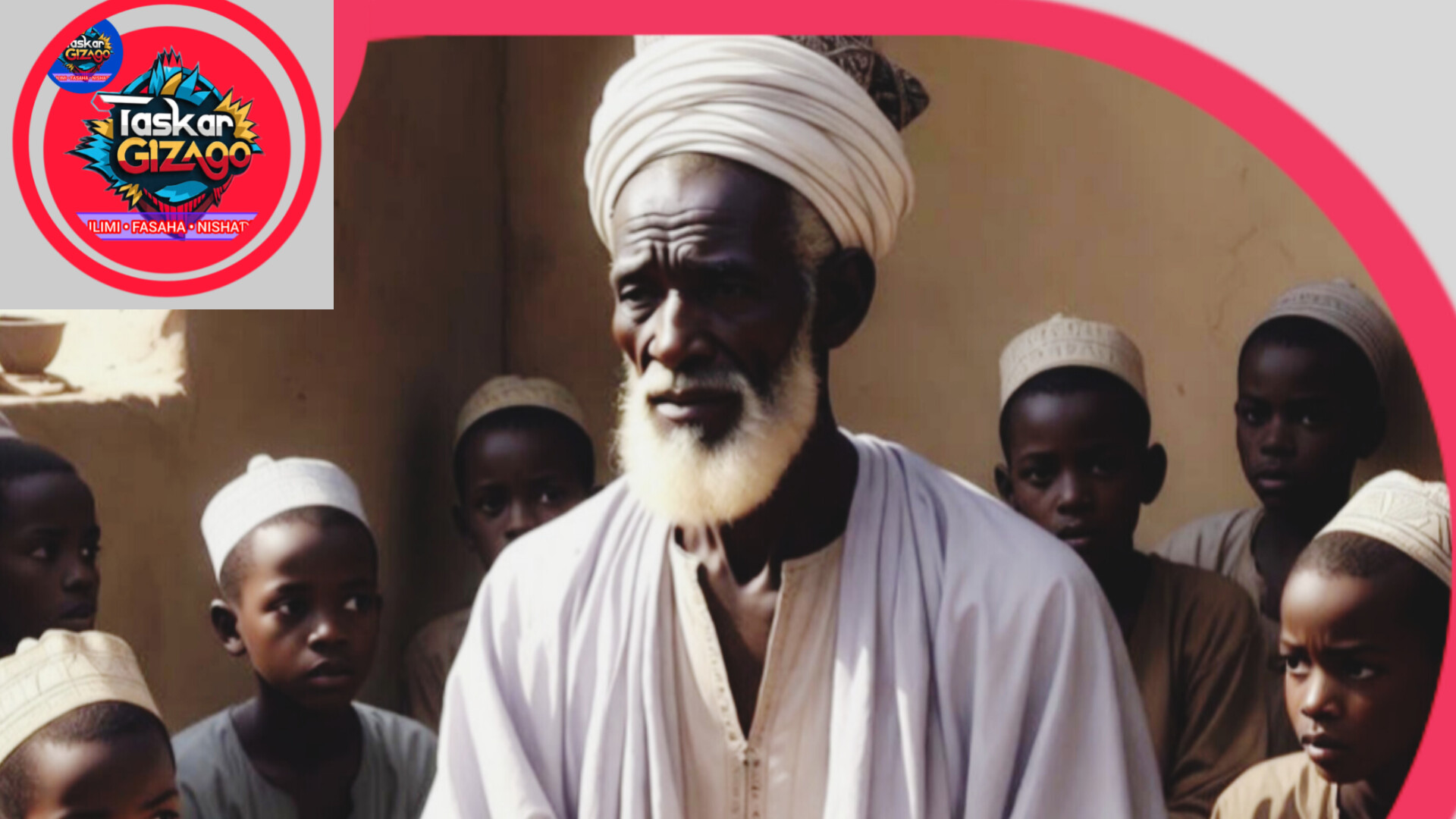
As noted in Part 5, this installment again raises questions concerning the revered Islamic reformer Shehu Usman Ɗanfodiyo, a figure whom credible history recognizes as a leading force in the revival of Islam and the founder of a vast and influential empire in West Africa. More than 200 years later, the legacy of that state continues to shape Islamic life not only in Nigeria but across parts of the African continent.
It is therefore troubling that certain individuals, particularly those behind the so-called Hausawa Zalla movement, persist in attacking his personality, distorting history, and attributing false claims to him. What offense could he possibly have committed to warrant such hostility in the present day? Why do these critics also target Islam and Muslims, while calling for a return to pre-Islamic pagan practices in social and religious life?
Equally puzzling is their open sympathy for the separatist group IPOB and their opposition to legal actions taken against its leader, Nnamdi Kanu. Observers also note their alignment with certain militant elements in the Middle Belt, groups that have at various times been linked to violence against Muslim communities. Why, too, are they attempting to inflame ethnic divisions in Northern Nigeria, particularly between the Hausa and Fulani peoples, who share deep historical, cultural and religious ties?
For anyone active on social media, it is evident that members of this movement frequently direct insults at the reformer and at those associated with his legacy; from his Fulani background to the present Sultan of Sokoto, His Eminence Muhammadu Sa’ad Abubakar III. Their rhetoric often extends to disparaging Islam itself and maligning prominent Islamic scholars. Among those targeted, living and deceased are respected clerics such as Ja’afar Mahmud Adam, Muhammad Albani Zaria, Dahiru Usman Bauchi, Mahmud Gumi and his son Ahmad Gumi, as well as Ibrahim El-Zakzaky, Bala Lau, Kabir Gombe and Yahya Jingir, among others. Many of these attacks appear to hinge simply on ethnic identity, particularly Fulani heritage; raising the question of whether tribalism is being elevated above shared faith and national unity.
Recently, a widely circulated video featured a woman identified as Kaltume, who claims to be the global leader of the Hausawa Zalla movement, making inflammatory remarks about Islam and Muslims. In the footage, she openly declared that she had renounced Islam and urged Hausa people to abandon Arabic greetings such as “Assalamu alaikum,” proposing alternative phrases instead. Such statements reinforce concerns that the movement’s agenda may not be geared toward societal progress. Historically, Hausa identity has been closely intertwined with Islam; attempts to detach the community from that heritage raise profound questions about motive and direction.
To members of the Hausawan Bogi or Ba-Zata movement, it must be said that many observers now believe their agenda has become clear. Critics argue that their activities risk inciting discord, particularly between the Hausa and Fulani communities, whose longstanding bonds include shared religion, culture and intermarriage.
There is growing concern that the ultimate objective of the movement may be to fragment Northern Nigerian society, sow mistrust and weaken social cohesion, while positioning itself under the banner of ethnic nationalism as a form of political strategy. Many contend that no genuine advocate of Hausa interests would publicly vilify revered religious figures, promote a return to paganism or endorse groups accused of violence against fellow citizens.
This is where we pause for today. In Part 7, God willing, we will examine the issue of armed groups operating in forest regions, their relationship with Northern communities and the measures that may be necessary to address insecurity, regardless of the perpetrators’ ethnic or social background.
Thank you for your continued attention and patience. Stay well.
__________