

Kwankwaso’s Return to APC: Between the Devil and the Deep Blue Sea
By Bashir Yahuza Malumfashi


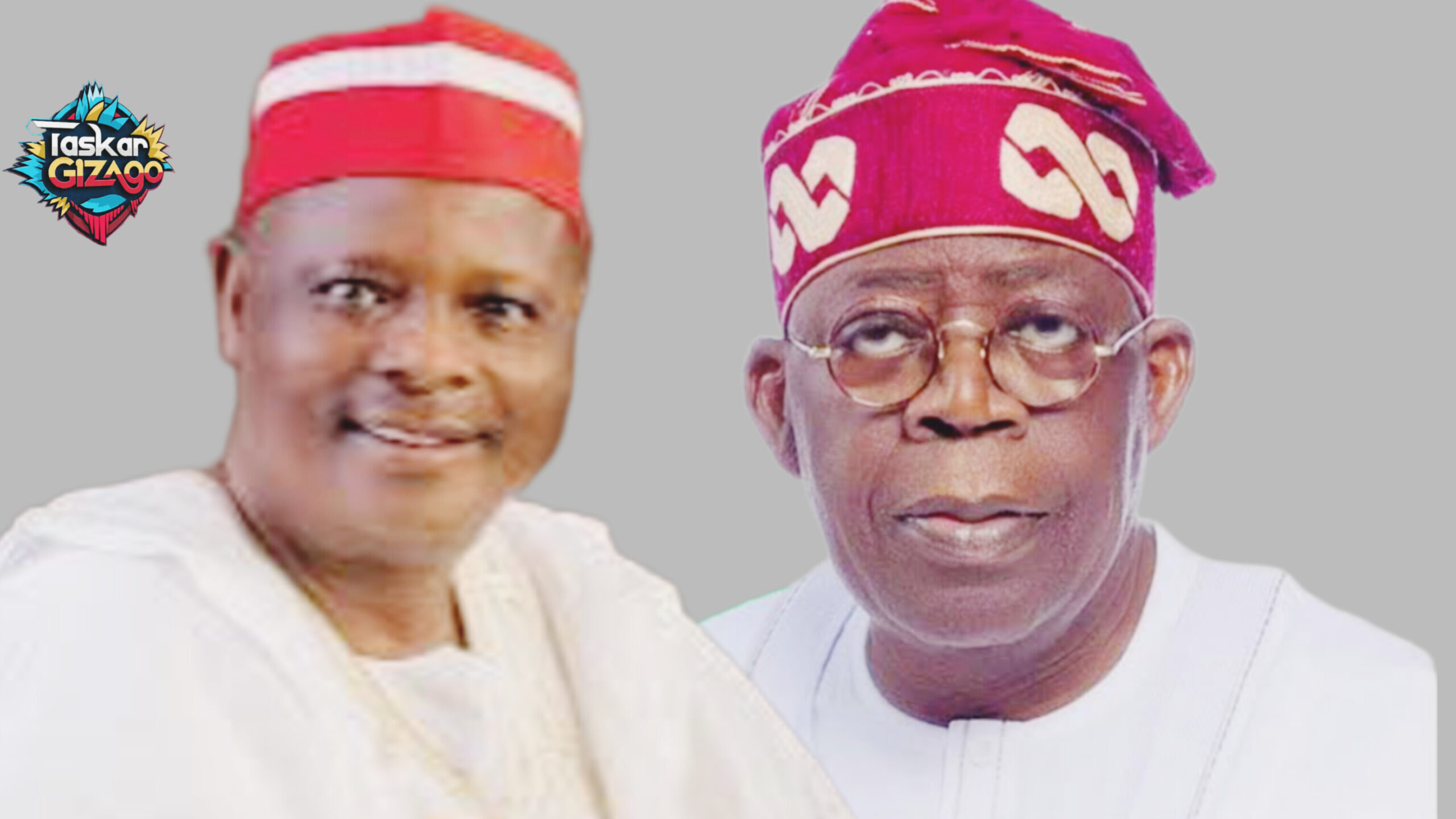
The political landscape in Nigeria continues to evolve with high-profile defections and realignments, as key figures seek safety, relevance, or pathways to power. One of the most discussed developments recently is the potential return of Senator Rabiu Musa Kwankwaso to the All Progressives Congress (APC)—a move that is generating ripples across the political sphere and could reshape the 2027 political equation.
Kwankwaso, a former Governor of Kano State and ex-Minister of Defence, was once a strong pillar of the APC. In fact, he was among those who contributed to the merger that birthed the party in 2013, combining forces from the CPC, ACN, and factions of the PDP. However, internal disputes and perceived marginalization led to his exit from APC to PDP, and eventually to the formation of the New Nigeria People’s Party (NNPP), where he now stands as the undisputed leader and political soul of the movement, particularly in Northern Nigeria.
Today, speculation is rife that Kwankwaso may be on his way back to the APC. If this happens, it would almost certainly spell doom for the NNPP. Kwankwaso is the backbone of the party—without him, NNPP lacks the structure, leadership, and national presence to remain relevant. The party would likely crumble, with many followers disillusioned and lost in political limbo.
However, returning to APC may not necessarily be a safe haven for Kwankwaso either. Historically, APC has not been a party known for welcoming returnees with open arms, especially those perceived as threats to existing power structures. President Bola Ahmed Tinubu, a seasoned political strategist, may see Kwankwaso’s return as a threat rather than an asset. There’s a real possibility that Kwankwaso could be sidelined, humiliated, or rendered politically irrelevant within the APC framework. In essence, his return might be a classic case of “between the devil and the deep blue sea.”
On the flip side, if Kwankwaso chooses to remain in NNPP and contests the 2027 election without a solid coalition, the chances of making any meaningful impact are slim. This is especially true considering the rising momentum of the African Democratic Congress (ADC), which is currently positioning itself as a grand opposition alliance. The ADC is reportedly attracting political heavyweights such as Atiku Abubakar, Peter Obi, and Nasir El-Rufai—figures with national appeal and strategic influence. Together, they could pose a formidable threat to both APC and any solo effort by NNPP.
Kwankwaso’s political future is caught in a tough dilemma. A return to APC may expose him to marginalization, while remaining in NNPP without broader alliances may render him politically ineffective. Ultimately, his decision must be guided by strategic foresight, deep calculations, and a realistic assessment of where his influence can be preserved—or even enhanced.
Whichever path he chooses, one thing is clear: 2027 will not be business as usual. It will require unity, innovation, and strong coalitions to navigate Nigeria’s complex political waters.
_______________
Yahuza Malumfashi, Editor of Taskar Gizago Magazine writes from Abuja.